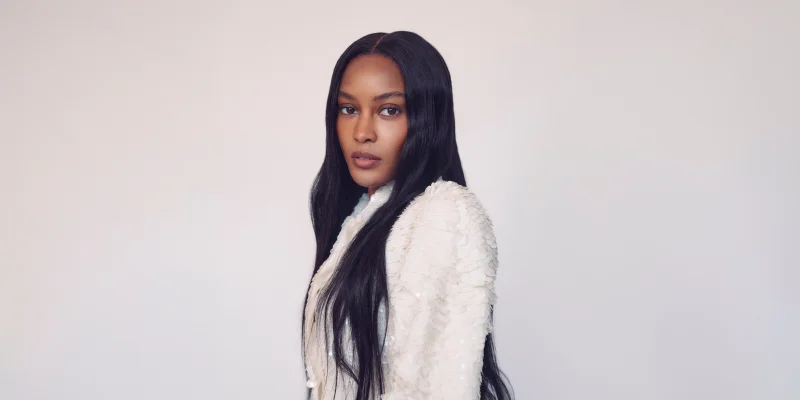
Ciara Miller says the Summer House Season 10 reunion left her done waiting for other people to define what happened to her. Before she walked in, she played Monaleo’s Crossroads Freestyle. Afterward, she said she would wear her armor differently.
The 30-year-old reality star made clear in a Harper’s Bazaar profile that the breakup of her trust was not confined to one argument or one night. Amanda Batula had been dating West Wilson, who was Miller’s ex, and Miller said both of them had been lying to her about the relationship while the season’s betrayal storyline kept building. By the time the reunion aired, she sounded less interested in repair than in control.
That search is landing now because Miller has spent most of her 20s on television, and this moment arrives after a season watched with the kind of attention that turns private hurt into public inventory. Summer House follows a group of friends in a Hamptons rental, but this season the emotional center was the betrayal plotline, with Miller as the person carrying it. She said she was “losing my friends” at the same time she was “losing my mind,” and her frustration did not sound rehearsed.

What made the fallout land harder was the way Miller described the friendship around it. She said she had tried to support Batula outside filming, checking on her and speaking life into her, but that in six years Batula had never really had to show up for her. “Everyone’s always there for [Amanda],” Miller said. “She never has to be there for anyone.” That gap between the friendship Batula appeared to have on camera and the one Miller said she lived off camera is what gives the story its bite.
Miller’s reaction also folded into something larger than a reality-show feud. This season, she spoke openly with fellow Black castmates Mia Calabrese and KJ Dillard, and she said that when she is the only one in the room, it is easier for people to write off what she feels. But when someone else has felt the same thing, she said, those thoughts stop sounding abstract. Black women watching the season seemed to recognize that loneliness immediately, seeing in Miller’s experience the familiar strain of being the only Black friend in a mostly white space.
She also described that isolation in blunt terms, saying that white men sometimes approach her like they just want to experience her. Coming from someone who has lived most of her adult life on television, the comment lands as more than dating frustration. It points to a pattern of being visible without being fully known, a feeling that runs through her account of both romance and friendship.
Miller did not spell out exactly what comes next, but she did make one thing plain: she is no longer planning to absorb the story as it is handed to her. Her next move may not repair the friendships that cracked during Season 10, but it will be hers to make.