


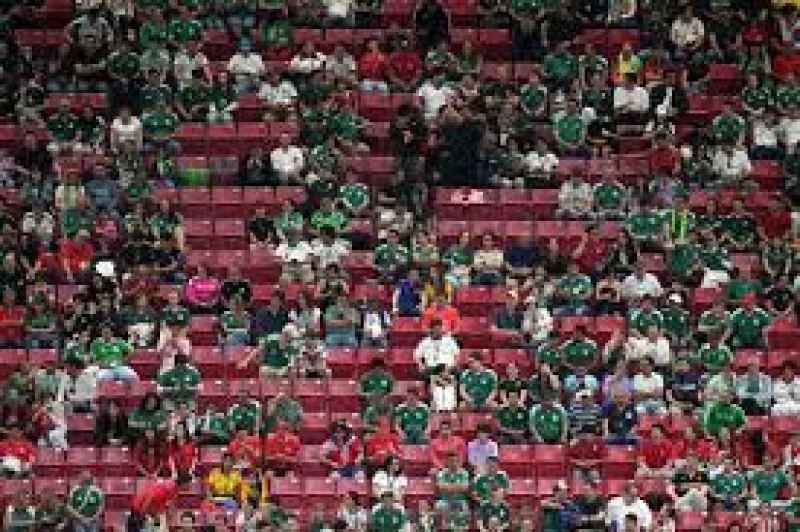
FIFA listed the South Korea-Czech Republic match in Guadalajara at 44,985, a number that came within 700 seats of the stadium’s listed capacity. But thousands of seats were visibly empty as South Korea won 2-1, with the gaps most obvious around the center circle.
That mismatch is drawing attention because tournament crowds are often measured by tickets sold, not the people actually in their seats. In major events, the official figure can make a near-capacity crowd sound fuller than what viewers see on television or inside the stands.
Guadalajara Stadium was listed at 45,664 seats, so the official total suggested a packed house even as empty rows stood out across the ground. The pattern is not unusual in football: clubs and tournament organisers are generally free to publish the attendance metric they prefer, and some report actual turnstile counts while others use tickets sold.
The difference matters most when corporate allocations are involved. Tournament football can be hit by empty sponsor sections, and some of the vacant seats in Guadalajara may have belonged to ticket-holders who never made the trip to the Mexican city. That would help explain why the crowd looked thinner than the official number suggested, especially in the most visible seats around the middle of the pitch.
The issue is likely to follow the tournament as it moves to other stadiums built for different sports. SoFi Stadium, designed primarily with gridiron American football in mind, will operate at 70,492 for the World Cup after pitchside reconstruction and administrative changes, even though it averaged 73,325 for Los Angeles Rams games last season. FIFA’s own numbers may remain tidy; what fans see from the stands may not.
