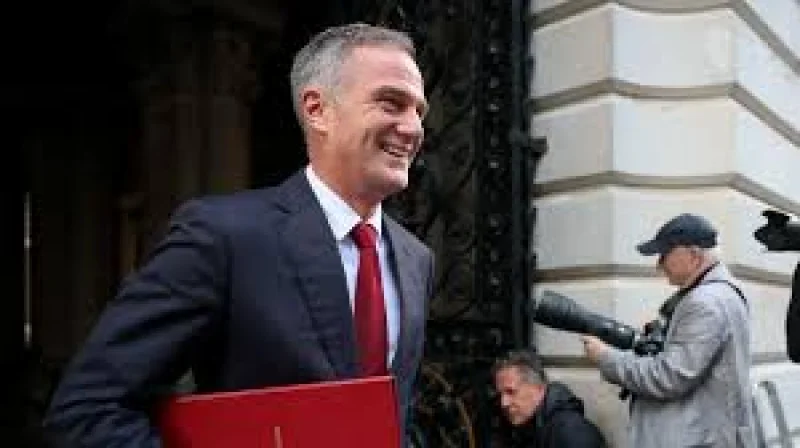
Business Secretary Peter Kyle said he would have blocked the sale of Arm Holdings if he had been in government when the Cambridge chip designer was sold abroad, putting a new spotlight on how far the government is prepared to go to keep major British tech firms at home.
He made the comments at London Tech Week, where the government set out new measures to attract and keep fast-growing technology companies in the UK. Kyle said Arm could have become the biggest company on the London Stock Exchange and said the deal had left the country short of a business that might have been 40% of the way to the trillion-dollar scale he thinks Britain needs.
Arm, which had been listed in London before Japanese group Softbank bought it for £24 billion in 2016, is now listed in New York and is worth about £285 billion. The shift has become a symbol for critics who say the UK still lets too many high-growth companies leave just as they are beginning to scale.

Kyle also said he regretted the 2014 acquisition of UK-based AI company DeepMind by Google, even though the business still operates in Britain. What he said mattered was where the wealth ends up. In his view, too much of the value created by firms like DeepMind is flowing away from the UK rather than building the domestic economy.
But he drew a line between intervention and simple obstruction. Kyle said he had raised the threshold for risk in AI policy, but added that he did not want to use government powers only to block deals. He said the aim was to create conditions in which companies would not want to leave in the first place. The government has already announced public investment in Kraken, Wayve and Playground Global, and it is promising a cross-government concierge service to help firms with skills, finance and support.
That push comes as ministers try to show they can back ambition without choking it off. Kyle’s remarks landed alongside wider pressure on the labour market, with concerns about hospitality costs, higher living wage bills and employers’ national insurance contributions, while former Health Secretary Alan Milburn has warned of a lost generation of young workers after the number of people not in employment, education or training passed a million for the first time since the financial crisis. The question now is not whether the government wants Britain to keep its next Arm or DeepMind, but whether it can actually make staying here the easier choice.