


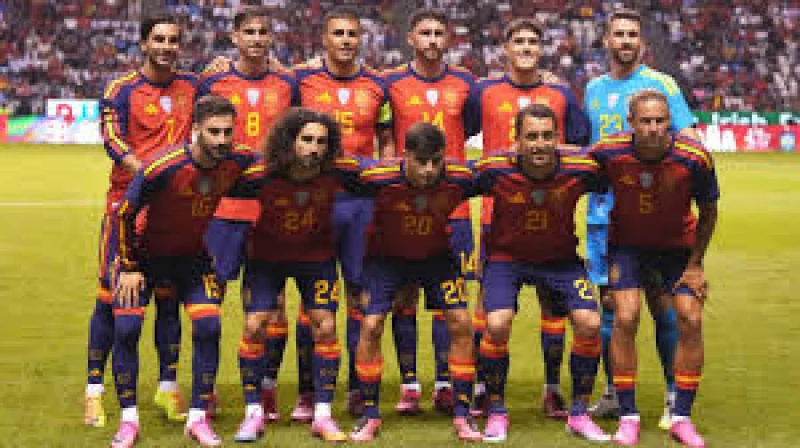
The FIFA Men's World Cup is headed for the biggest betting event in history, with more than $50bn in wagers expected around next year’s tournament. That would lift the global total well above the $35bn wagered on the 2022 World Cup in Qatar.
Chad Benyon linked the surge in world cup odds to the tournament’s expansion from 32 teams to 48, a shift that will stretch the schedule to more than 100 matches over six weeks and give punters far more chances to bet. At roughly $500m in wagers per match, the numbers point to a scale the sport has never seen.
The forecast is getting attention now because the 2026 World Cup will be staged by the United States, Canada and Mexico, with favorable time zones expected to boost viewership across Europe, Latin America and Africa. It also lands in a betting market that has changed sharply since 2022, when around 40% of the U.S. population could gamble on sports. That figure is now about 65%, making this the first World Cup on which a majority of Americans can place bets.
Macquarie said the growth is being driven mainly by the bigger field and the larger sports-betting market in the U.S., while regulations around online prediction markets there are poised to become stricter. The scale of the opportunity is clear, but so is the warning around it. Les Bernal said “hundreds of thousands of people across the world, especially young men, will suffer life-changing debt and financial distress” during the tournament, while Matt Zarb-Cousin said punters would be “cross-promoted more addictive casino content.”
The UK Betting and Gaming Council pushed back, saying regulated firms have age checks, deposit limits, self-exclusion tools, online monitoring and other protections for customers at risk of harm. A National Centre for Social Research report has also found that 79% of gambling company winnings in the UK came from the top 10% of spenders, those wagering at least £5,639 a year, underscoring how concentrated the business can be. When the first ball is kicked in 2026, the question will not be whether the World Cup is a betting giant. It already is. The question is how much of the global $50bn haul will come from a U.S. market that has only just opened this wide.
