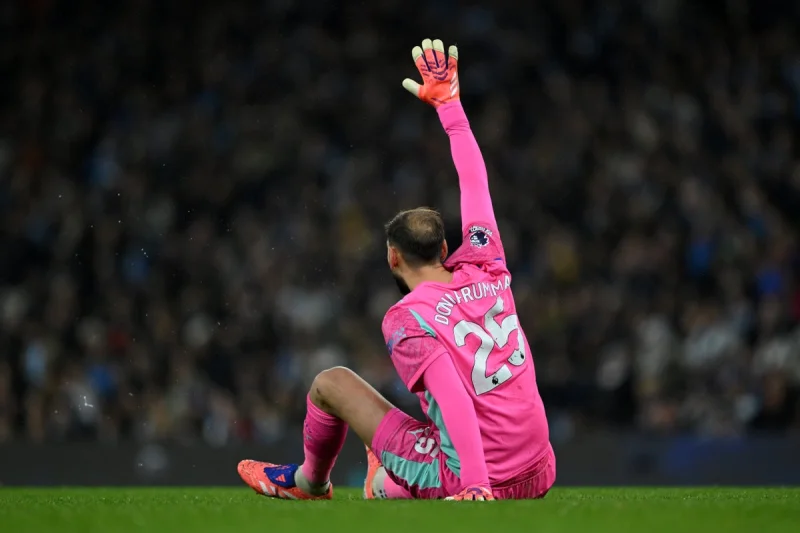
World Cup matches at this summer’s tournament will no longer include one of football’s more familiar stoppage routines: when a goalkeeper goes down injured, players will not be allowed to drift to the touchline for tactical instructions. The International Football Association Board has banned the practice, and Fifa referees’ chief Pierluigi Collina said officials will be proactive in stopping it.
Collina told coaches from all 48 teams at a workshop that referees will not let both sides head to the benches while a goalkeeper is on the ground. He said the goalkeeper has the right to be injured, but players do not have the right to leave the field for what amounts to a timeout with their coaches. If a keeper is hurt, the teams must stay where they are or gather in the centre circle instead.
The change is one of six major rule adjustments being introduced before the tournament, and it is aimed squarely at time-wasting. Officials have argued for months that stoppages have become a tactic in their own right, with teams using the pause to reset shape, pass on instructions and slow the rhythm of a match. Collina said stoppage time reached remarkable levels in 2022, underscoring why the game’s lawmakers want firmer control.
The new measure will not, however, stop every bit of gamesmanship. It targets the coaching huddle at the touchline, but it does not prevent a goalkeeper from going down in a way that still breaks the other team’s momentum. The awkward part for referees is not the law itself, but the judgment call underneath it: deciding whether an injury is genuine, tactical or somewhere in between.
There will be no yellow cards for players who try to go over and speak to the coach, but they will be sent back. Collina said it is “quite weird” that only the referee, the physio and the goalkeeper are left on the field in those moments, and he said officials will not allow the two teams to go to the benches when that happens. A three-minute hydration break will also be taken in each half because of the heat, making the stoppages at this summer’s tournament feel even more tightly managed.
The World Cup rule is part of a wider clampdown that also includes other steps designed to speed up play and curb time-wasting, with leagues invited to run trials through the 2026-27 campaign to find a lasting solution. Earlier this year, the NWSL introduced a temporary version of the measure, and the football authorities now want the same principle applied on the biggest stage. If the tournament delivers cleaner, quicker restarts, this will be remembered as the moment the sport stopped treating a goalkeeper injury as a free coaching break.