


The 2026 men’s World Cup begins Thursday, opening a monthslong tournament that will stretch across 16 cities in the United States, Canada and Mexico. It is the biggest edition the sport has staged, with 48 nations and 104 matches, but it also arrives with a sharper edge than the game likes to advertise.
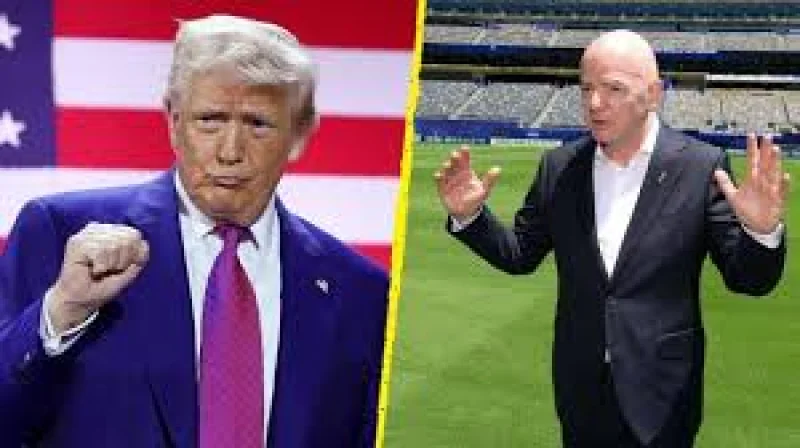
That is why the question of when does the world cup start 2026 is drawing attention now. Fans who have waited years for this tournament are not just looking for the kickoff; they are trying to figure out whether they can actually get there, get in and pay for it. The draw was held last December, and FIFA moved the group stage ceremony from Las Vegas to Washington to make it easier for President Donald Trump to attend, a reminder that politics has been threaded into a competition that is supposed to look borderless.
The event was sold as United 2026 when the United States, Canada and Mexico put forward their bid in 2018, and FIFA approved it with the promise of a shared celebration across three countries. Eight years later, the scale is undeniable. More teams will be on the pitch than ever before, more matches will be played, and the tournament will move from city to city with the kind of logistical machinery only a World Cup can require.
But the promise of unity sits beside a harder reality. The tournament is more expensive, more exposed to geopolitical forces and, by the article’s own accounting, less accessible to ordinary fans than the ones that came before it. When the action begins Thursday, the fracture won’t be visible, not amid the flags, anthems and chanting. It will show up in ticket prices, travel hurdles and the quiet math of who can afford to be in the stands.
That makes Thursday more than a ceremonial start. It is the first test of whether the world’s biggest sporting event can still feel open to the public it celebrates, or whether a tournament built to span three countries will end up most reachable to the people already closest to power.
