


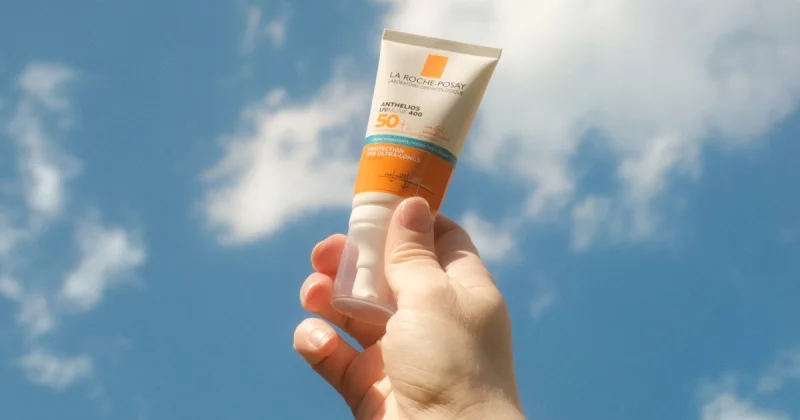
The United States has approved bemotrizinol, giving the country its first new sunscreen ingredient since the late 1990s. The Food and Drug Administration’s decision clears the way for a product already used for years in Europe and Asia to enter the US market.
The approval landed after Congress ordered the FDA in 2020 to overhaul its sunscreen review process, and after DSM Nutritionals asked in 2024 for permission to sell a bemotrizinol-based sunscreen. For researchers and manufacturers, the significance is plain: the ingredient opens a path to a broader set of broad-spectrum products in a market that has gone decades without a meaningful addition.
That matters now because Americans are still being told to use sunscreen for protection against ultraviolet rays, including UVA and UVB, even as use has ticked downward and worries about safety have grown. The FDA regulates sunscreen as an over-the-counter drug rather than a cosmetic, a process that has slowed new entries and left US shelves reliant on a small group of long-established ingredients.
Dr. Adewole Adamson put the stagnation bluntly: “We haven’t been able to really have any innovation in US-based sunscreens since last millennium,” he said. The FDA’s 2019 finding that zinc oxide and titanium dioxide were generally regarded as safe for human use, while reassuring for mineral formulas, also helped fuel a backlash against chemical sunscreen in particular, deepening consumer mistrust at the same time use was slipping.
Environmental Working Group had pushed for bemotrizinol’s approval since 2019 and called the move “a monumental victory for health and wellness.” Mineral sunscreens and chemical sunscreens are equally effective when used correctly and have the same SPF, but broad-spectrum coverage remains the standard experts advise because it protects against both UVA and UVB rays. What remains unresolved is how quickly bemotrizinol-based products will actually appear on US store shelves.
