


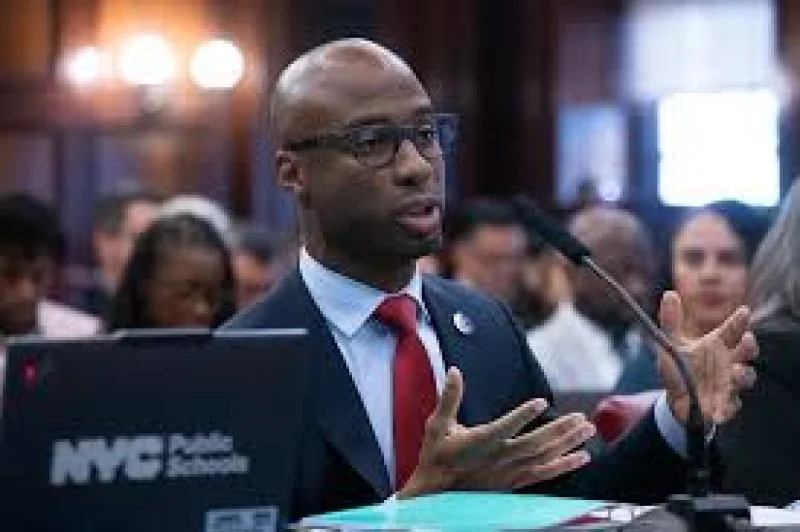
New York City’s class-size mandate will be pushed back by two years under a compromise unveiled Monday, giving NYC Public Schools until the 2029-30 school year to meet limits that were supposed to be in place by 2028. The deal keeps the city on the hook for smaller classes, but it stretches the timeline for the nation’s largest school system and adds new compliance targets along the way.
The delay matters now because it rewrites a major education promise just as Zohran Mamdani prepares to govern alongside state lawmakers and the teachers union. Under the proposal, the city must be 70 percent compliant by the upcoming school year and 90 percent compliant by 2028-29, before full enforcement of caps that would set kindergarten through third grade at 20 students, grades 4 through 8 at 23, and high school classes at 25.
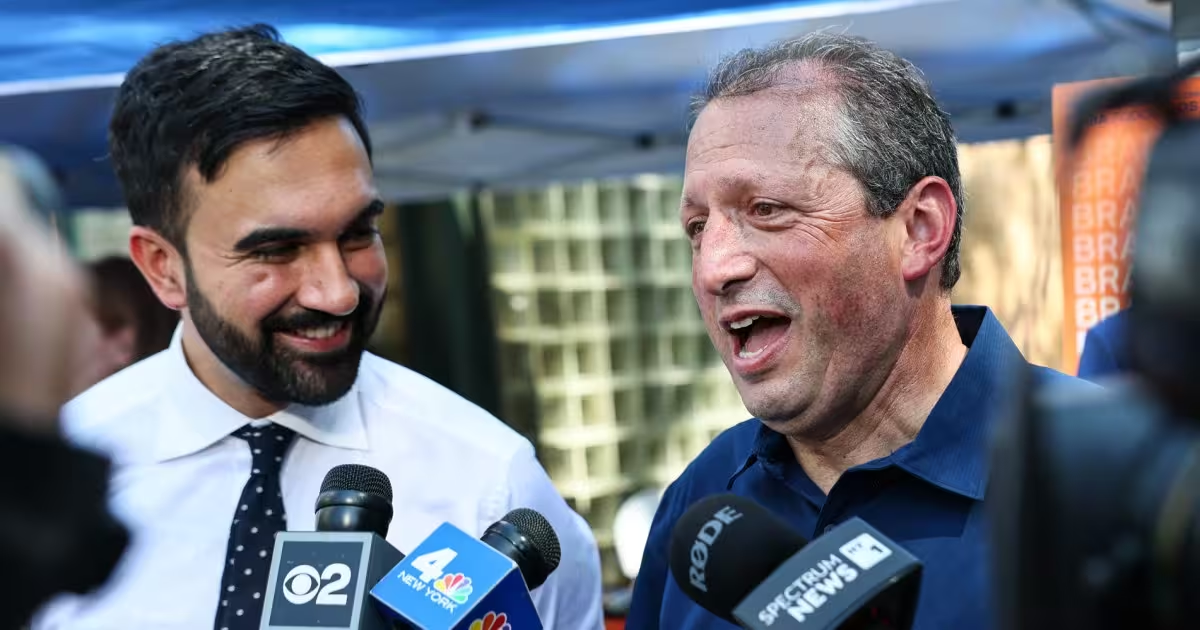
Michael Mulgrew told thousands of teachers about the agreement in an internal email, saying the union did not want an extension but believed it was the fastest way to make the law real in every classroom. He said the city had not yet done enough to turn the 2022 state law into practice and argued that two extra years would help bring in the seats, staff and buildings needed to comply. The deal involves Mamdani, Gov. Kathy Hochul, state legislators and United Federation of Teachers officials.
The compromise also puts money on the line. Mamdani had campaigned on shrinking class sizes and initially promised to hire 1,000 teachers a year through a $12 million-per-year initiative, but the city still faces up to $1.7 billion in teacher salary costs and another $18 billion for new school construction to satisfy the mandate. Educators could receive pay increases of up to $9,500 by the 2027-28 school year if their classes remain above the limits, while teachers in approved hard-to-staff or space-exempt classes would be eligible for a differential of up to $8,500 in 2026-27 and $9,500 in 2027-28.
Those exemptions will be decided each November, leaving schools to navigate a policy that is real but not yet fully settled. More than 60 percent of classes are already smaller because of the law, which is why the union says compliance is closer than it looks. The unresolved question is how many schools will still miss the caps during the two-year delay, and whether the city can meet the new targets without stretching budgets, recruitment and construction even further.
