


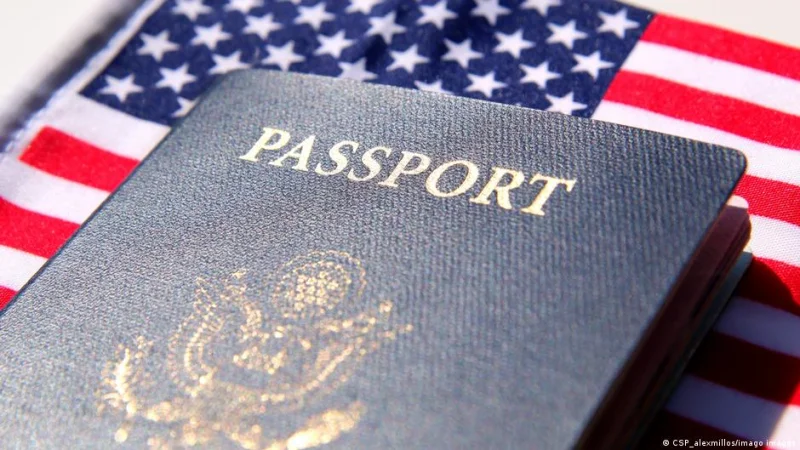
The Trump administration said Monday it would move to strip citizenship from 17 US citizens convicted of crimes, opening a rare denaturalization push that could end in federal court. The Justice Department said the people targeted were convicted in different courts and that the cases involve crimes including health care fraud, wire fraud and other unlawful conduct.
Todd Blanche, the deputy attorney general, cast the effort as part of a hard line on naturalization, saying citizenship is a privilege and that the department would keep a zero-tolerance policy for abuse of the process. He said the Justice Department was working “around the clock” with its interagency partners to ensure citizenship goes only to those who deserve it.
The 17 people were born in Cuba, Haiti, Somalia, China, India and elsewhere, according to the department, which accused them of hiding criminal activity during the naturalization process. Denaturalization is unusual in the United States and can happen only in federal court, and it applies only to citizens who gained nationality through naturalization rather than by birth. That makes the move far narrower than the administration’s wider immigration push, which has also included an early executive order aimed at revoking birthright citizenship for children born to undocumented parents and efforts to stop foreign visitors from coming to US territory to give birth to American babies.
The timing matters because the administration is pressing ahead on several fronts at once even as courts push back elsewhere. On Monday, a federal judge struck down the Trump administration’s $100,000 fee for H1-B visas for highly skilled foreign workers, with US District Judge Leo Sorokin finding the payment functioned as a tax no matter how it was labeled. The ruling came with a coalition of 20 Democratic attorneys general backing the challenge, underscoring the legal fight that now surrounds the administration’s immigration agenda.
What remains unclear is which 17 people will be named in the denaturalization cases and how quickly the Justice Department will bring them. For now, the announcement marks a rare and aggressive use of a tool that can erase citizenship only after a federal judge signs off, turning a political promise into a courtroom test.
