


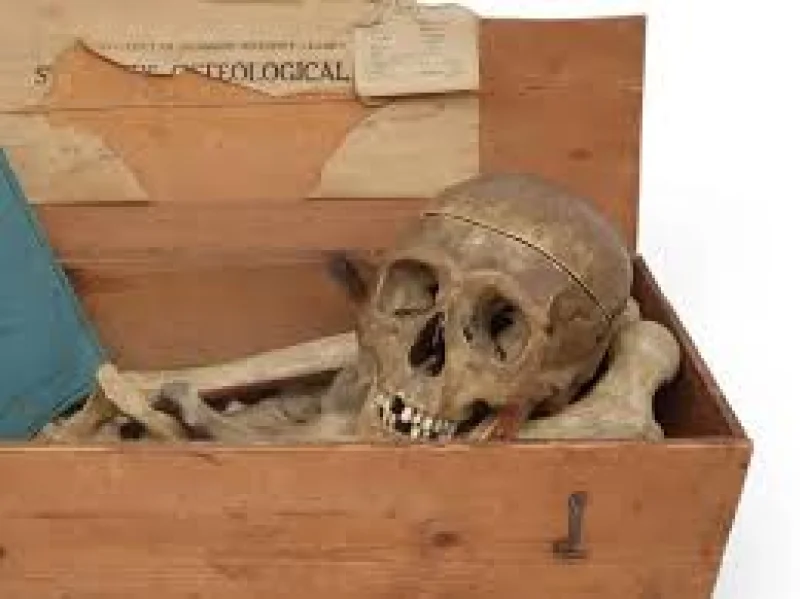
Great Western Auctions has withdrawn a planned Glasgow sale of human bones, including a skull, after criticism from experts and contact from journalists raised fresh scrutiny over the lot. The auction had been due on Friday, but the items were pulled before they went under the hammer.
The lot had been valued at between £500 and £800, and the bones were listed in a box marked as belonging to an anatomy class at the University of Glasgow. Anita Manning, 78, co-founded the auction house with her daughter Larissa in 1989 and first became familiar to television viewers through appearances on Bargain Hunt in 2010.
The withdrawal lands in the middle of a larger ethical dispute that is older than the sale itself. It is not illegal in the UK to sell or auction human remains if they are more than 100 years old, but specialists say that legality does not settle the question of whether such items should be traded at all. Dr Lauren McIntyre said buying and selling human remains for commercial gain robs the dead of dignity and is unethical and unacceptable in any form.
McIntyre also said many medical and anatomical remains that appear on the market may have originated in 20th-century mass export from countries such as India and China rather than from consenting donors. She pointed out that exports of human skeletons from India were banned in 1985 and from China in 2008, yet said the trade can still persist. Professor Gordon Findlater added that if the bones came from a body donated to science at some point, then selling them would breach Scotland’s current Code of Practice for Anatomical Examination, which bars any individual or organisation from making financial profit from bodies donated to medical science.
Great Western Auctions said only that the lot has been withdrawn, and it has not explained who originally owned or donated the bones, or how they came into its possession. That missing history is now the central question: once a box of human remains enters the commercial market, the law may allow a sale, but the provenance can still determine whether the act is defensible, and for this Glasgow lot the auction house has chosen not to test that line in public.
