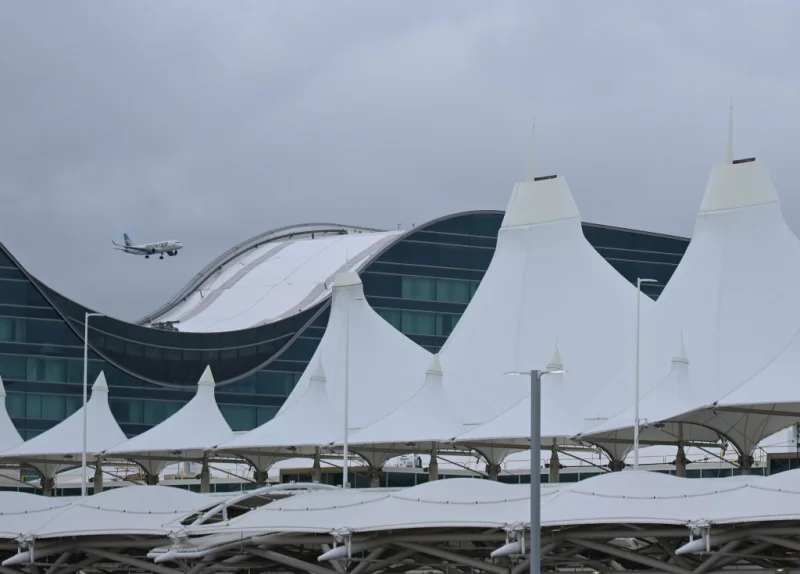
Denver International Airport was hit with 157 flight disruptions on June 7, 2026, including 152 delays and five cancellations, as aviation authorities across Colorado deployed emergency protocols.
The numbers gave travelers a clear reason to search for tornado denver that day: flights were backing up at one of the country’s busiest hubs, and the trouble was already rippling through schedules. Passengers faced missed connections on domestic and international routes, turning a day’s worth of delays into a broader travel breakdown.
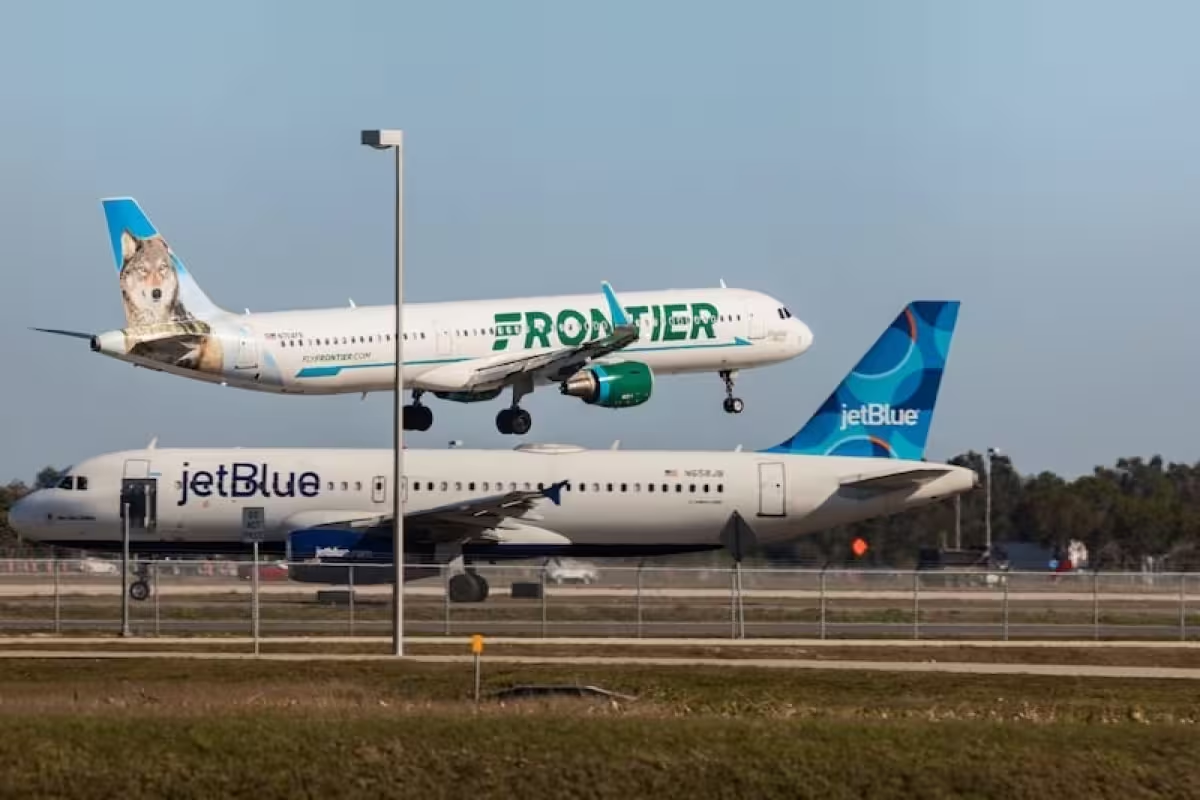
Southwest, United and Alaska Airlines were among the carriers said to be responding with emergency rebooking options and scheduling adjustments. For travelers, that meant the disruption was not limited to a single gate or one airline’s operation; it spread across multiple carriers and likely forced last-minute changes for anyone trying to move through Denver.
What stood out was not just the scale of the disruption, but the lack of a public airport explanation for what set it off. Airlines and aviation authorities were moving quickly to manage the fallout, yet no official airport statement or operational cause was provided to explain why 152 flights were delayed and five were canceled on the same day.
That leaves the immediate story hanging on the same point that made it newsworthy in the first place: Denver was dealing with severe travel chaos on June 7, and the next question is whether the emergency measures were enough to get the airport back to normal by the end of the day. For passengers trying to connect through Denver, the answer mattered before their next boarding call.