


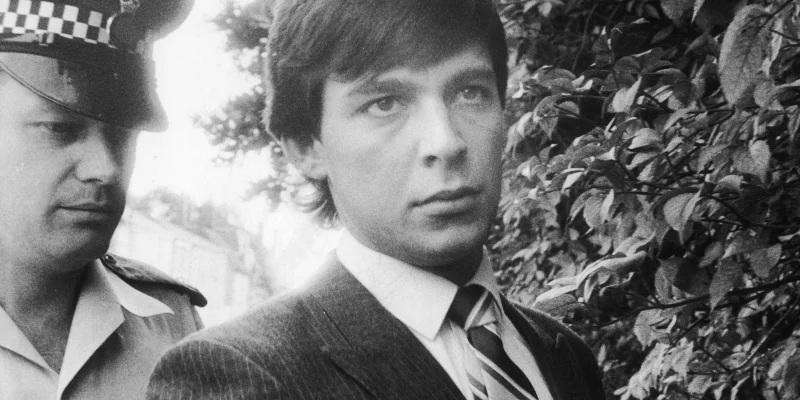
A new Channel 5 documentary says previously undisclosed evidence could change Jeremy Bamber’s murder conviction, putting one of Britain’s best-known killing cases back under the spotlight decades after he was sent to prison for life.
The programme, Jeremy Bamber: Proof of Innocence – The Missing Phone Call, revisits a case that began on the night of 6 to 7 August 1985 at White House Farm in Essex, when Nevill and June Bamber, Sheila Caffell and her six-year-old twin sons, Daniel and Nicholas, were shot dead. Police entered the farmhouse the next morning and found all five bodies. Bamber was 24 at the time.
His conviction has never moved far from public attention because it rests on a story that has always divided opinion. Bamber told police he was at his cottage several miles away when his father allegedly phoned to say Sheila had gone crazy and was armed with a gun. Sheila had previously been diagnosed with schizophrenia, and police initially treated the deaths as a murder-suicide carried out by her.
That version of events did not hold. Investigators later concluded that Bamber had staged the scene to make it appear Sheila was responsible, and the prosecution relied heavily on a firearm silencer found at the property and the testimony of Julie Mugford. Mugford said Bamber had previously discussed plans to kill his family, evidence that helped secure guilty verdicts in October 1986 for the murders of Nevill and June Bamber, Sheila Caffell and the two children.
He received a whole-life sentence and remains in prison today. The documentary’s claim matters because it does more than revisit a notorious crime; it suggests that evidence not previously disclosed could unsettle a conviction that has already survived years of scrutiny and repeated appeals.
The case has long been defined by that clash between what police first believed and what prosecutors later said happened. Supporters of Bamber have continued to argue for his innocence, and the Jeremy Bamber Innocence Campaign describes him as far from the media caricature of a privileged playboy, saying he was fundamentally a farmer’s boy who loved life on the farm, had his own dog and learned agricultural skills from an early age.
What the documentary does not yet answer is whether the newly raised evidence is strong enough to matter in court. That question now sits at the center of the case again, with Bamber still in prison and his supporters hoping the new claims can force a fresh look at a conviction that has stood since 1986.
