


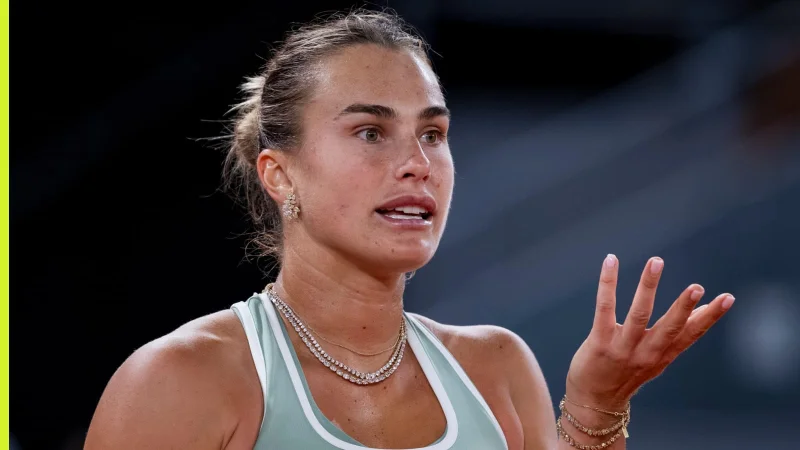
Naomi Osaka and Aryna Sabalenka were scheduled for the French Open night session on Monday night, putting a women’s match into Roland Garros’ lone primetime slot for the first time in three years. The decision is the latest flashpoint in a debate over who gets the tournament’s biggest stage after men were chosen for 56 of the last 60 night sessions.
That is why Amelie Mauresmo is back at the center of a fight that has followed her through the event’s most visible scheduling decision. The former world No 1, now helping shape the French Open program, has argued the pattern is practical, not sexist, because a women’s match may be over in an hour while men’s best-of-five contests guarantee at least three sets and at least 90 minutes of entertainment.
The night session matters because there is only one such slot each day, and whoever gets it reaches the broadest television audience and the biggest crowd of the evening. Amazon Prime Video was prepared to pay an eight-figure sum for the right to show the match live, which only sharpened the pressure on the French Tennis Federation to use the slot in a way that looked fair, not familiar.
The friction has not gone away. Last year, Jessica Pegula said she was hitting her head against the wall trying to argue for equality, after the FFT denied Amazon’s request to put her on at night against Lois Boisson. That call fed the sense that women’s tennis is being asked to prove its value in a system that already tilts toward the men, even as the tournament insists it is choosing on practical grounds.
Mauresmo has also made clear that she would like to see women given more of those showcase appointments. Jelena Ostapenko said she wished women’s tennis could be shown more in those slots, and argued that the men always have the priority with scheduling, take the most popular slots and play on bigger courts. She said she likes to play at night, especially when the stadiums are full, because that is what players perform for — a line that captures both the appeal of the setting and the frustration of not reaching it more often.
Monday night’s assignment does not settle the larger dispute. It does, though, force Roland Garros to confront the same question again: if women can draw the spotlight for one night, what stops that from becoming normal instead of exceptional?
