


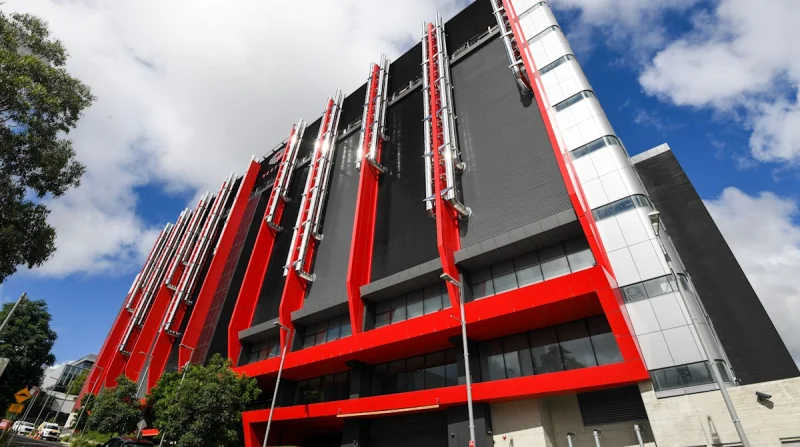
Australians could be facing electricity bills that are 25 per cent higher if governments do not get ahead of the country’s fast-growing data centre boom, a warning that lands just as construction surges across the sector. The risk is no longer theoretical: a $3.1 billion mega data centre is already under way at Marsden Park in Sydney’s northwest, and it is expected to become the largest of its kind in the Southern Hemisphere.
That is why the australia data centre investment boom is drawing so much attention now. The Climate Council says Australia is already the world’s second-biggest destination for data centre investment behind the US, with 162 facilities operating nationwide and more than 90 additional projects in the pipeline. International tech giants are increasingly sizing up the country as a prime location, and artificial intelligence is pushing demand even higher.
McKinsey estimates that roughly half of data centre usage at the moment is AI, and that figure could rise to around two-thirds over the next five years. Over that same period, AI demand could triple or even quadruple. The Climate Council warns that without intervention, data centre energy demand could triple by 2030, raising the pressure on the electricity grid at the same time as more construction money keeps flowing in.

Joel Gilmore said Australia’s pitch to investors is obvious. The country has a very strong and stable regulatory and policy environment, he said, along with excellent infrastructure and land close to power, water and fibre optic cables. That combination has helped make Australia attractive to global operators, but it is also the reason the sector can grow so quickly that households start to feel the strain if supply does not keep up.
Gilmore warned that data centres could account for around six per cent of Australia’s electricity demand in the long term, calling it a huge increase in electricity consumption. That is the friction at the centre of the boom: the same strengths that are bringing investment in can also push up electricity and water costs unless governments put frameworks in place now. The big unanswered question is whether new generation, networks and rules can be set fast enough to stop the bill from landing with households.
For families already watching power prices, the warning is blunt. Australia can keep winning data centre investment, and it likely will, but unless the grid expands with it, the cost of hosting the digital economy could be shared by every household on the bill.
