


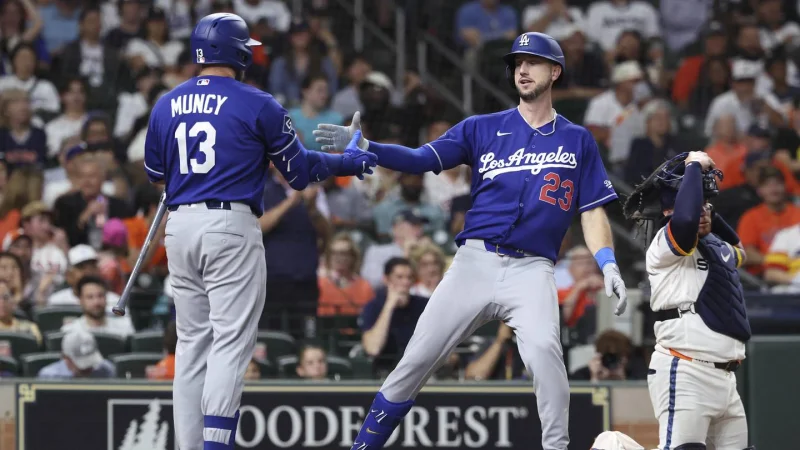
The Los Angeles Dodgers were set to host the Los Angeles Angels on Saturday, June 6, and the pitching edge pointed squarely toward Yoshinobu Yamamoto. The Dodgers were favored, and the matchup centered on whether their starter’s command could keep a freeway-series game from turning into a slugfest.
That is why the game drew attention so quickly. Yamamoto entered with a 29.9% whiff rate and a 5.6% walk rate, a combination that gave Los Angeles the kind of stability bettors tend to trust in a one-game spot. He was also backed by a Dodgers lineup that, over the previous two weeks, had posted the highest hard-hit percentage and the third-lowest ground-ball percentage, signs that the offense could do enough damage against a vulnerable arm without forcing a shootout.
The other side of the matchup was Jack Kochanowicz, the Angels’ right-handed starter, and the numbers around him were less forgiving. His strikeout rate, chase rate and xERA all sat in the 16th percentile or worse, and in 2026 opponents were posting a.241 ISO and a 53.5% FB% against his four-seam fastball when his sinker was not working. That created a narrow path for Los Angeles: the Dodgers were expected to score, but the shape of the game still pointed toward a lower total because Yamamoto’s profile could keep the Angels from matching them pitch for pitch.
There was also a quiet reason the under remained in play. The Angels had the eighth-highest strikeout rate versus right-handed pitching over the past two weeks, and they had gone under the total in 10 of their last 15 road games. That did not erase the danger of the Dodgers’ bats, especially against Kochanowicz’s fastball when the sinker drifted, but it did suggest that even with scoring on the home side, the game could stay compressed if Los Angeles controlled the count early.
The backdrop mattered too. This was the Freeway Series, and the Dodgers entered as the defending World Series champions, which only sharpened the contrast between the clubs. The unanswered question was whether Kochanowicz’s sinker would be working well enough to prevent Los Angeles from turning every mistake into a hard-hit ball. If it was not, the Dodgers’ edge was not just about winning the game. It was about controlling the way it unfolded from the first innings on.
