


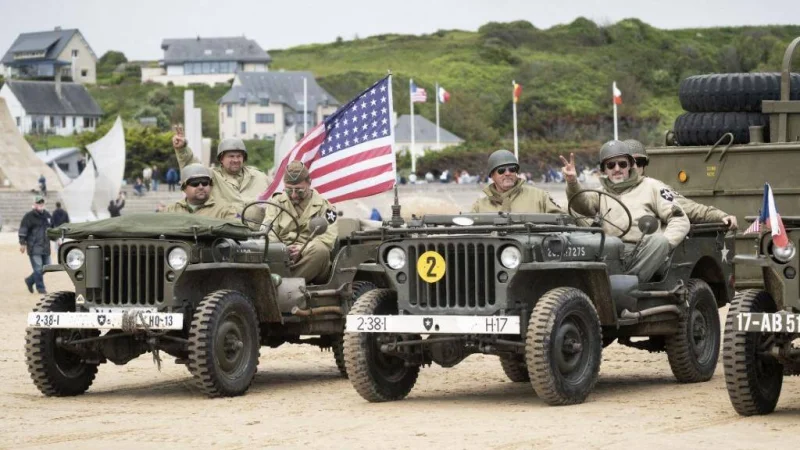
As June 6, 2026 approaches, some guides in Normandy say the build-up to the next D-Day anniversary is turning the landing beaches into a place people rush to see rather than a place they come to understand. Their complaint is simple and uneasy: the crowds are growing, but the memory at the center of the day risks getting smaller.
The concern is being felt along ver sur mer and the 80 kilometers of coast between the Calvados and the Manche, where a movement of tribute is planned for June 6, 2026. That shoreline is not just a scenic route. It is where, 82 years ago, the first act of the liberation of Western Europe began, when the American army landed on June 6, 1944. About 156,000 Allied soldiers came ashore in the operation, and 10,000 were cut down by German bullets.

For some professionals working around the commemorations, the problem is not that visitors are coming. It is that the D-Day beaches no longer seem to be treated as places of memory first. The fear, expressed in growing unease, is that the memory of the landings is slipping into the logic of attraction tourism, with the historical meaning of the site trailing behind the photo stops and anniversary traffic.
That worry has sharpened in recent days as images of the last centenarian veterans circulate on social media, feeding interest in a commemoration that already draws more attention than many older anniversaries. For a long time, ceremonies ending in 5 or 0 attracted fewer people, leaving more space for solemnity. This year is different, and the scale of attention is exactly what troubles those who fear the balance has shifted too far.
What remains unclear is which professionals will push back most directly, and whether any measures will be taken to keep the commemoration centered on remembrance rather than spectacle. On the Normandy coast, that question now matters as much as the crowds themselves.
