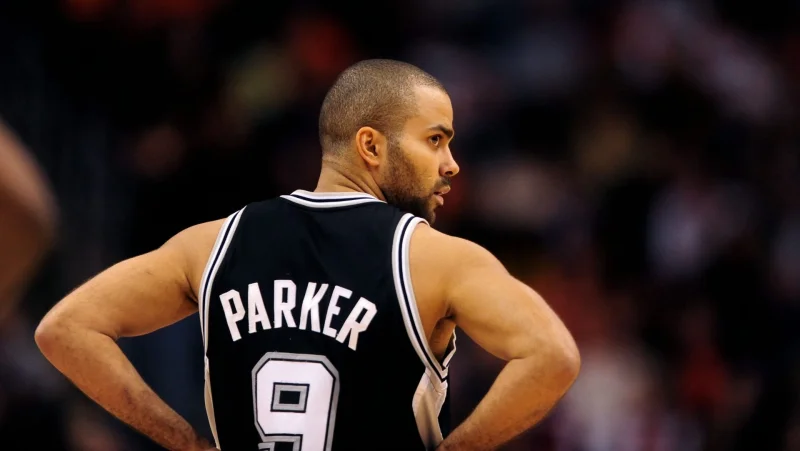
is weighing whether to keep using AI-generated promotional images in Game 2 after an altered portrait of Tony Parker drew a wave of ridicule during Game 1 of the NBA Finals on Wednesday. The network used AI tools to create several live portraits during the broadcast, but the Parker image became the one viewers noticed first — and not for the reason likely wanted.
The backlash landed around the 6:50 mark of the third quarter, before an ad break, when the broadcast showed Parker seated on the Spurs logo at center court, surrounded by confetti and wagging his left pointer finger. The image was based on a photo taken after his Spurs team won the 2003 NBA championship, and it was one of three AI-altered portraits aired that night.
A spokesperson confirmed that used AI to help create the Parker image and two other moving portraits during the game, and said the network is evaluating whether it will continue using the technology in Game 2. That matters because live game broadcasts are one of the clearest places where fans can see how far sports media wants to push AI before the audience pushes back.
The other portrait drew less immediate attention but showed the same experiment at work. At the 8:03 mark of the second quarter, aired an altered version of a Bill Russell image from the 1960 NBA Finals, originally a black-and-white Getty Images photo of Russell taking a hook shot. In the broadcast version, the picture had been colorized and given slight movement from Russell and the basketball.
That approach fits a larger pattern across sports and media, where AI graphics are moving from side projects into live programming. It also lands at a delicate moment for Disney, which agreed in December to invest $1 billion into OpenAI and had expected to fold iconic characters such as Mickey Mouse and Cinderella into Sora, its video generation tool, before the deal collapsed in March when OpenAI shuttered Sora because of rising costs.
The friction for is simple: the network called the use of AI an experiment, but the experiment ran into public mockery in real time. That leaves Game 2 with a choice that may matter more than the graphics themselves — whether to double down on the technology or pull it from the Finals broadcast before the next round of criticism starts.