


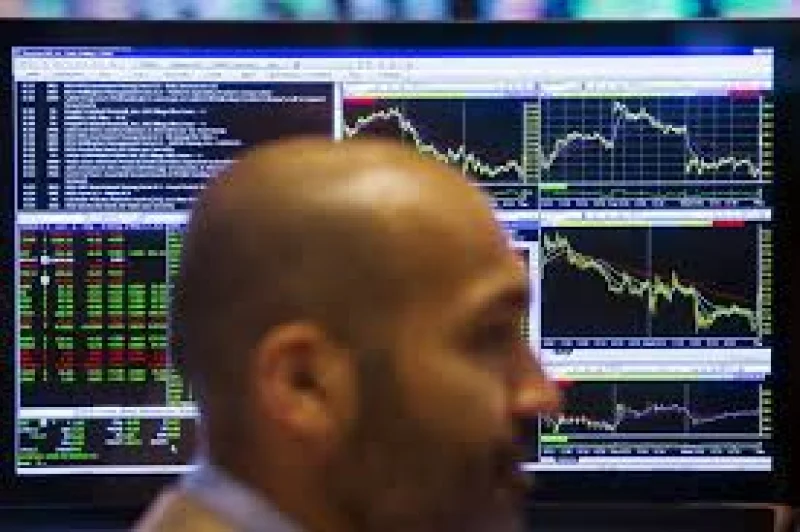
Investing.com published an analysis arguing that the Cboe Volatility Index and the US Dollar Index are flashing the same message: markets are too calm. The piece says both gauges are now signaling “extreme, structural complacency,” even as traders keep treating the VIX as the market’s fear meter and the DXY as the dollar’s map.
That matters because the relationship between the two is not just a chart watcher’s curiosity. Equity traders and forex traders read them together for clues about liquidity, risk appetite and where institutional capital is parking itself. In the most common setup, risk-off conditions mean a higher VIX and a higher DXY, a shorthand that the analysis sums up as “Risk-Off = VIX Higher + DXY Higher.”
The reason traders are searching this now is that the broader backdrop has already been noisy. The same trading day that saw the Nasdaq crater 4% to post its worst session in over a year and the S&P snap a nine-week win streak also featured reminders that the economy is still adding jobs, with 172,000 positions in May topping expectations. Against that mix of stress and resilience, the VIX and the dollar index are being used as a single read on whether investors are still taking on risk or quietly backing away from it.
The relationship is powerful, but it is not fixed. The analysis says geopolitical uncertainty or a sharp equity liquidation can push institutions into US dollars, lifting both the DXY and the VIX together. Yet the two can also decouple violently when volatility comes from inside the United States rather than from global growth fears. In that case, the VIX can surge while the DXY behaves like a funding currency and falls, which is why the pair cannot be read in isolation.
That split is the key friction point in the current debate. A dominant narrative in some trading forums says Treasury Secretary Scott Bessent wants to artificially weaken the US dollar, but the analysis calls that claim “factually incorrect.” The point is not that the dollar always rises when fear rises, or that it always falls when markets wobble. It is that the VIX and DXY often move together until domestic instability changes the direction of capital flow.
For now, the message from both gauges is less about a single price level than about positioning. If the market is right to treat them as structural signals, then the real question is whether this calm is the kind that builds a rally or the kind that disappears first when the next shock arrives.
