


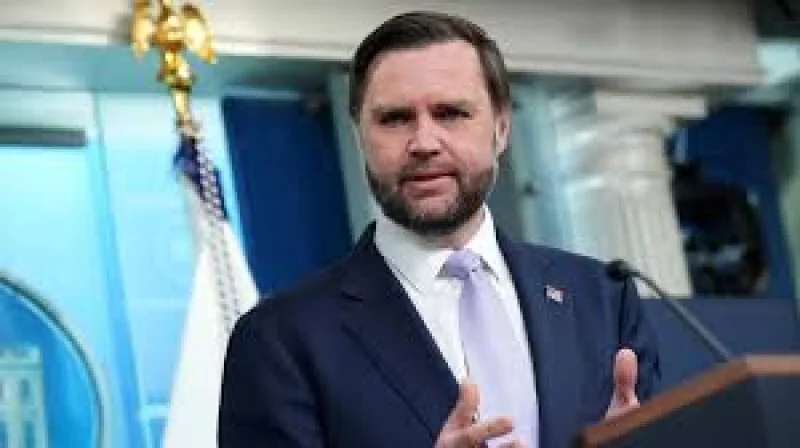
Keir Starmer has accused the United States of trying to interfere in British democracy after JD Vance blamed the murder of Henry Nowak on mass migration, turning a case that has already shaken Britain into a fresh diplomatic row.
The dispute erupted after Vance wrote on X that Nowak would still be alive if European elites had stood their ground against what he called “the politics of self-hatred and the mass invasion of migrants, many of whom despise the West and the people who love it.” Downing Street responded that recent days had seen people trying to interfere in British democracy and stir up division on British streets.
The pressure on ministers comes because the case is already one of the most combustible in Britain this year. Nowak’s killing prompted a national outcry after footage showed police officers handcuffing him as he lay dying from stab wounds, and his killer, Vickrum Digwa, had falsely accused him of racist abuse. Digwa was later convicted of murder and jailed for life with a minimum of 21 years.
But the family at the centre of it has asked for restraint. On Thursday, they met Starmer and said they did not want Henry’s death to be used to create further division, hatred or tension. That appeal collided almost immediately with the way the case has been used online and in politics: the US state department described it as evidence of the UK’s civilisational decline, said ideological conditioning and two-tiered policing were glaring symptoms of that decline, and figures including Elon Musk and Nigel Farage have also pointed to the case as proof of two-tiered policing.
Starmer tried to draw a line under the matter without escalating it further, saying the police response was under review and telling LBC that policing should be “without fear or favour, whatever anybody else says, and wherever they’re saying it from, whichever country in the world.” No 10 also stressed that the relationship with Washington remained incredibly strong despite the difference of view on policing, even as it said the family’s wishes should be respected.
The political response in Britain has not stopped there. The Liberal Democrats called for the US ambassador to be summoned, with Ed Davey describing Vance’s intervention as “flagrant foreign interference that seeks to fan the flames of division” and saying Starmer needed to “show some backbone” and call it out. The row now leaves Downing Street balancing two pressures at once: defending British democracy from outside criticism while deciding whether to answer the White House more directly or let the argument cool before it hardens into a broader transatlantic fight.
