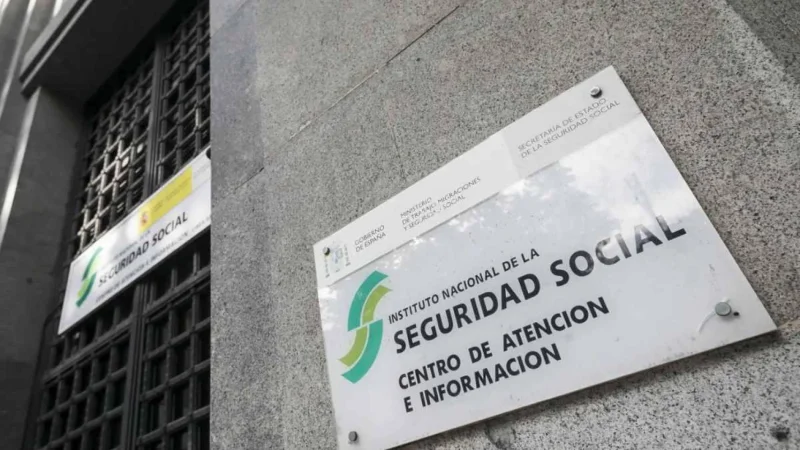
New Seguridad Social rules for self-employed workers are already in force, and they slow the pace at which their retirement pension rises. Under the revised calculation, 15 years of contributions still entitle a worker to only 50% of the pension, and every extra month now matters more than before.
That is why the change is landing now for people who check their contribution record and try to work out how close they are to the full pension. The Ministry of Inclusion, Social Security and Migration is keeping a calendar of reforms that changes retirement conditions over time, and the new rates are part of that shift.
The mechanics are straightforward, even if the consequence is not. In 2026, the pension percentage for self-employed workers will rise by 0.21% for each month contributed between month 1 and month 49 after the first 15 years, then by 0.19% for each additional month after that. Starting in 2027, the increase falls again, to 0.19% for the first 248 additional months and 0.18% after that. The result is simple: reaching the maximum pension takes longer.
The friction shows up clearly in a standard example. A self-employed worker with a 1,500-euro monthly regulatory base could have received about 1,440 euros a month under the old system, at 96% of the pension. Under the new calculation pace, the same worker could stay at 94% and receive about 1,410 euros. That is a difference of 30 euros a month, and over a decade of retirement the loss would exceed 3,600 euros.
For autónomos with short, interrupted or uneven contribution histories, that gap matters more than the percentage points suggest. The rules do not just delay the finish line; they make the climb steeper after the first 15 years, when many workers are still far from the maximum despite having spent a long time paying in.
The next turning point is already scheduled for 2027, when the monthly increases slow again. Anyone trying to estimate where they stand can check their updated work history on the Tu Seguridad Social digital platform, but the practical answer to the new rules is already clear: self-employed workers will need more contribution time than before to reach 100% of the pension.