


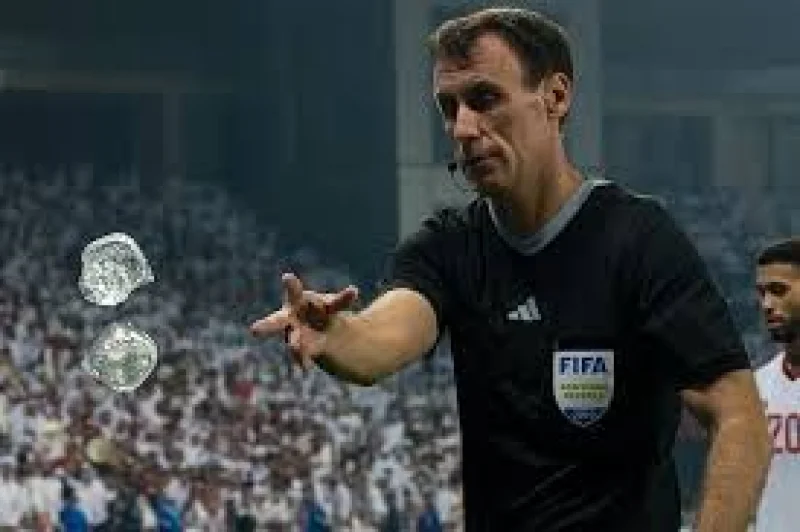
Fifa has reversed course and barred fans from taking reusable water bottles into World Cup stadiums in the US, Mexico and Canada, a late change that replaces an earlier plan to let empty, transparent plastic bottles through the gates. The move affects spectators heading into matches in sweltering conditions and changes how they will be able to get water once inside venues.
The governing body said it made the decision to prevent risk and injury to players and attendees and that it is prioritising the safety and security of everyone involved. It also said outside bottles are already prohibited at several venues for safety reasons. Fans had been allowed to bring water bottles to games at the Club World Cup in the US last summer, and Fifa had expected the same policy to apply at next year’s World Cup.
The reversal has drawn a sharp response from supporters groups, which say the late change leaves them with too little information about how fans will otherwise access water inside stadiums. Ronan Evain, who leads Football Supporters Europe, said the policy creates a real health risk. He said that in Europe people are already collapsing in the stands from heatstroke more often, and that complicating access to water only raises the danger of serious heatstroke and dehydration.
Evain also accused Fifa of putting revenue ahead of fan welfare, calling the move immoral at a time when people’s health is at risk. The England supporters’ group Free Lions also criticized the decision on X, asking what comes next if Fifa is willing to ban sun cream and force fans to buy it inside stadiums, especially when the tournament is already planning drinks breaks for players.
The issue lands now because the World Cup is approaching across three countries, and hot conditions are expected at many of the stadiums. Fifa had previously framed water bottles as part of its response to heat risk, but supporters say the new ban turns that protection into a problem. No prices for bottled water inside the stadiums have been published, and that gap is now at the center of the criticism.
