


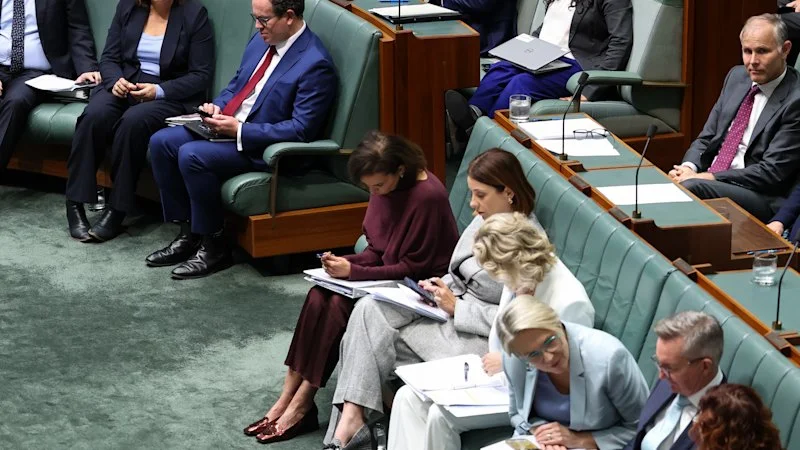
Australia’s tax bill cleared the House of Representatives on Friday and now heads to the Senate, bringing capital gains tax changes, housing measures and a fresh round of political fight into the next chamber. The lower house vote was the day’s clear turning point: the package moved forward, but not before Labor was accused of rushing it through.
That is why traders, homeowners and would-be first buyers are reading closely now. The reforms are not a narrow tweak. They include two tax cuts for millions of Australians, the working Australian tax offset and the instant tax deduction, alongside changes aimed at making it easier for first home buyers and younger Australians to get into the housing market.
Daniel Mulino defended the pace of the bill on Friday, saying the government had given the chamber 17 hours of exhaustive debate and that a two-day inquiry into the package would be enough. He said the measures were “really important once-in-a-generation changes” and argued they dealt with long-standing problems, including negative gearing and capital gains tax changes supported by the Howard government that had gone untouched for too long. His case was simple: the government says the reforms are needed housing and tax changes, and it wants them moving now.

The opposition and crossbench saw it differently, accusing Labor of ramming the legislation through the lower house. That split matters because the fight is not only about tax rates or deduction rules, but about how fast a government can push through a package this large when it affects millions of people. The pressure point is especially sharp on the housing side, where the bill overlaps with access for first home buyers and the treatment of permanent residents.
Health Minister Mark Butler defended the government’s plan to allow permanent residents to access its first home buyer scheme, while the Coalition threatened to strip access for residents who were not Australian citizens if it won office. One Nation MPs Barnaby Joyce and Sean Bell were also spruiking the party’s plan to ban foreign ownership of Australian property, even though temporary residents and foreign persons are already barred from buying established dwellings in Australia, with a few exceptions, under Australian Taxation Office rules. Those rules do not apply to citizens and permanent residents, and there is a carve-out for people in the Pacific Australia Labour Mobility program.
Bell said the issue would depend on the type of visa people were on, and added that homes should benefit Australians first. The restrictions are in place until at least the end of the 2028-29 financial year, which leaves a more immediate question hanging over the Senate: whether it will back the bill as written, alter the capital gains tax changes, or force the government back into another round of bargaining before the reforms can become law.
