


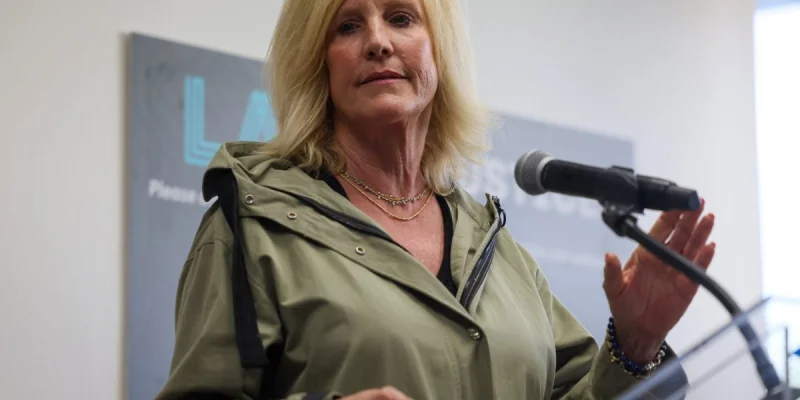
Erin Brockovich is taking aim at a new front in the fight over artificial intelligence: the data centers that make it run. She is pressing communities to push back on projects she says are being pushed on residents before they can understand what they are getting, from water demand to higher electricity costs.
The concern is moving quickly because the footprint is no longer abstract. There are more than 4,300 data centers in the U.S., and a large one can consume up to 5 million gallons of water a day, about the daily use of a town of as many as 50,000 people. Utilities have also asked for more than 700 gigawatts of power connections from data centers in 2025 alone, nearly double U.S. electricity consumption in 2023, while the Energy Information Administration says residential retail rates could rise as much as 40% by 2030.
On a recent appearance on The Jim Acosta Show, Brockovich said communities are being left out of the process while local officials are boxed in by non-disclosure agreements with tech companies. She said people are learning about projects at the proposal stage, often after the sales pitch is already underway, and argued that some facilities are being presented as warehouses instead of the unpopular, resource-gobbling operations they are.
That message is landing hardest in Utah, where Kevin O'Leary has proposed a $100 billion data center that would cover 10,000 acres. Utah-based political strategist Gabi Finlayson shot back, saying, “The only foreign operative here is a Canadian wealthy person trying to ruin our state,” a reference to O'Leary’s Canadian citizenship. O'Leary, in turn, said detractors had ties to China, a claim protestors rejected.
Brockovich said three elder council men in Utah have the power to put a pause on zoning or permitting until further studies on the projects’ impact are finished. On May 29, Utah Gov. Spencer Cox issued a framework in response to residents’ concerns, but the bigger question is whether local leaders will slow the Utah project long enough to test the costs, water use and power demands before the next wave of AI infrastructure is approved.
