


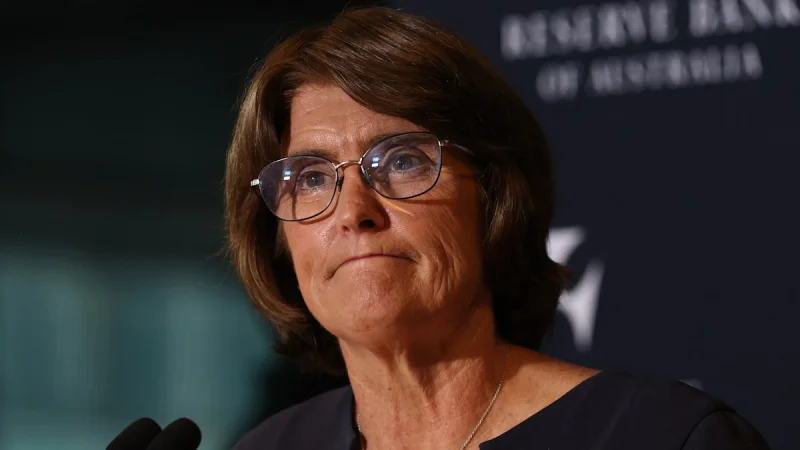
Reserve Bank of Australia Governor Michele Bullock said on June 4 that Australia is unlikely to fall into recession even if Middle East conflict drives oil prices sharply higher. She told a Senate estimates hearing in Canberra that the economy is still expected to keep growing, though only modestly, under those conditions.
Bullock’s remarks matter because households and businesses are trying to judge how far the central bank is prepared to go after three consecutive interest rate hikes this year. Her comments point to a policy board still focused on inflation and growth at the same time, with the next move not yet set in stone.
The governor said her monetary policy board is weighing high global inflation, domestic inflation and the conflict in the Middle East as it decides whether more tightening is needed. She said inflation remains persistent, but also argued that the earlier rate increases have already started to show through in the economy. “We’ve already seen some signs that this tightening is starting to work, though it will take around one to two years for the full effects to fully flow through to the economy,” she said.
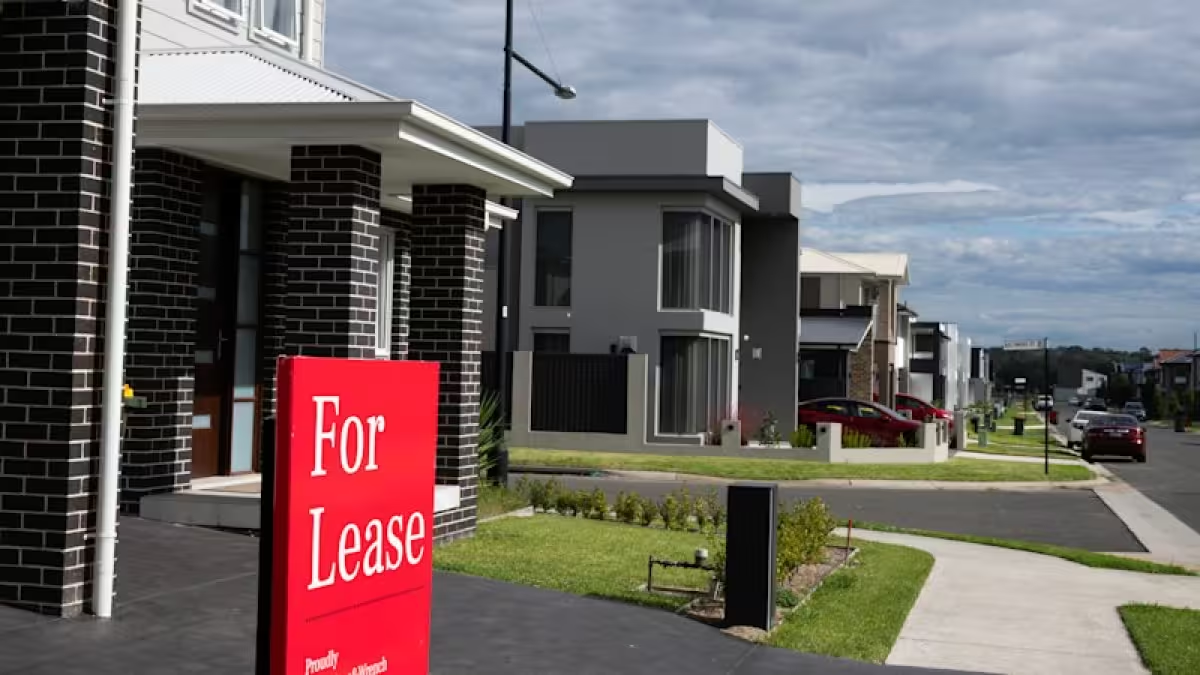
That outlook sits alongside a warning from Oxford Economics in April that Australia would suffer a sharp recession under a prolonged war in Iran. Bullock’s own tone has shifted since March, when she said the war in Iran posed a global recession risk. On Wednesday, she drew a firmer line: even under scenarios where oil prices are significantly higher than recent levels, the economy is still expected to grow.
There is still a gap between resilience and comfort. Fears of a recession have been building as GDP growth slows, joblessness rises, rates stay high and inflation surges, but Bullock said investment has remained a bright spot and that growth is expected to continue in software, data centres and renewable energy. That is why the central bank can sound cautious about inflation without saying Australia is heading for a downturn.
For now, the message from the RBA is that the economy may absorb more oil-price shock than many feared, even if the pain lands unevenly. The harder question is how much further rates might rise, and Bullock did not answer that on June 4.
