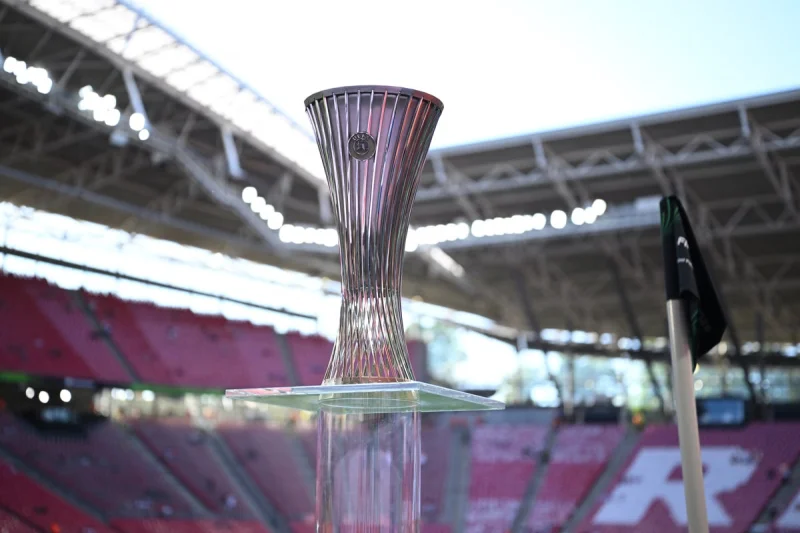
UEFA has banned PFK Turan Tovuz from next season’s Conference League, blocking the Azerbaijani club from a European return it says it earned on the pitch. The ruling cites historical match-fixing concerns and lands just as the team prepares for a rare shot at continental football.
The club finished third in the Azerbaijan Premier League last term and said it won its place by “following all sporting principles.” One player named in the club’s statement is Guluzadeh Shahin, who was among seven players it said had previously been banned from all football-related activities in a disciplinary case.
That is the dispute at the center of the case. UEFA’s competition rules, including Article 4.01(g), allow ineligibility where a club is directly or indirectly involved in arranging or influencing a match, and the governing body appears to have linked Turan Tovuz to a disciplinary matter that dates back to December 13, 2019. The club says the ban is tied to that seven-year-old case, when the AFFA Disciplinary Committee barred seven players who had played in the I Division during the 2019-2020 season.
Turan Tovuz has pushed back hard. It said it will take all legal steps necessary and appeal to the Court of Arbitration for Sport in an effort to overturn the decision. The club also said there are no changes to its preparation plans, with team members due to gather this month before heading to Turkey for a training camp.
The exclusion carries extra weight because Turan Tovuz have not competed in European competition since the 1994-95 campaign. For a club trying to re-establish itself on a bigger stage, the ruling is not just a lost fixture list. It is a test of whether a place won in the league table can be erased by an older disciplinary history that UEFA says still matters today.
What happens next is now in CAS’s hands. If the appeal fails, Turan Tovuz’s third-place finish will not be enough to open the door to Europe; if it succeeds, the club could still enter the Conference League carrying one of the sharpest reminders in the competition about how far past conduct can reach.