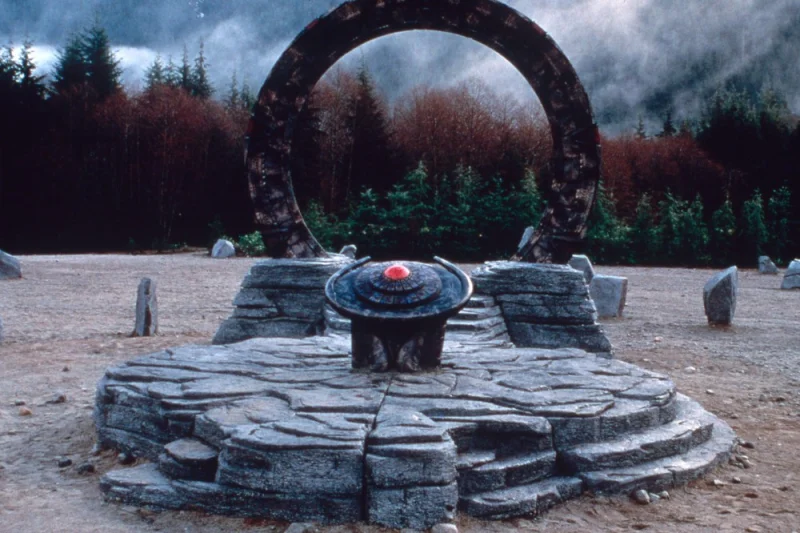
Amazon canceled the planned Stargate revival series on June 2, wiping out the entire project barely 10 months after it was announced. Martin Gero, the longtime franchise writer and director who was set to lead the new version, will not move forward with the series.
That is the kind of reversal that gets searched fast because Stargate still has a built-in audience and a long memory. The franchise has been alive for more than 30 years, and the earlier television run — Stargate SG-1 and Stargate Atlantis — stayed on the air for 15 seasons and more than 300 episodes, with Stargate Universe arriving in 2009 and lasting two seasons.

The appeal was obvious enough that Amazon had made the project public last fall, naming Gero as the person who would spearhead a new Stargate series for Prime. His plan was never disclosed in detail, but the expectation around the revival was that a familiar hand would guide the property back onto the platform. The show had even been written before the plug was pulled.
That is what makes the cancellation land harder than a routine pass. Amazon also produces Fallout and Invincible, and it once stepped in to save The Expanse, yet it chose to axe a show built for hardcore sci-fi fans because it was being built to appeal to hardcore sci-fi fans. The mismatch is hard to miss: a streaming company willing to back genre loyalty elsewhere decided Stargate was not worth the same bet.
For fans, the immediate consequence is simple. The entire Stargate SG-1 series is now streaming on Netflix, but there is no replacement version of the revival and no public sign of a revised plan. The unanswered question is no longer whether the series would return; it is what, exactly, made a finished Stargate revival too difficult for Amazon to keep.