


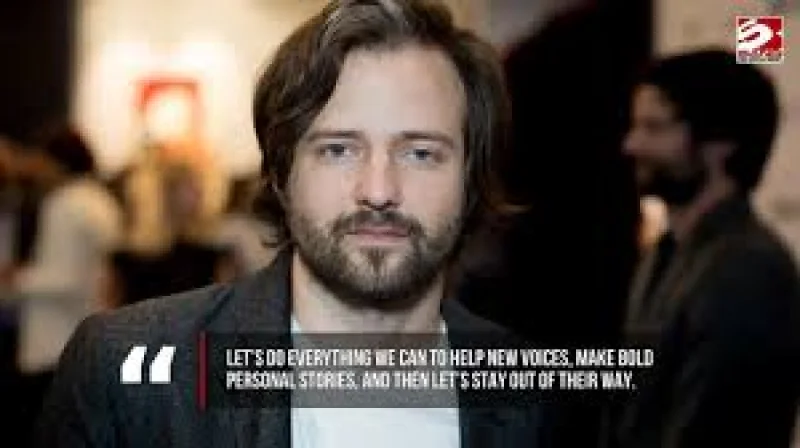
Matt Duffer used a Gotham TV Awards acceptance speech to make a blunt case for risk. Accepting a career honour, the Stranger Things co-creator told TV and film bosses to choose risk over fear and back original stories and new voices.
The timing gave the message extra weight. Stranger Things is heading into its fifth and final season, and the series has already become one of Netflix’s defining hits. But Duffer was not speaking like someone celebrating a safe success. He argued that the industry will make “a lot of money” if it embraces new voices, and said young people are hungry for original stories and unfiltered personal visions.
That argument carries a particular sting because the Duffers’ own start was anything but conventional. Matt Duffer and Ross Duffer created, wrote and executive produced Stranger Things after having not directed television before. Netflix gave them a level of trust — something close to a blank check for the first season — and, in Duffer’s telling, that trust gave them the confidence and courage to step up.
Ross Duffer has described Stranger Things as a crazy risk that made little sense on paper. He said the project came with one movie Warner Brothers disliked so much it would not release it, plus a weird 50-page script starring kids but not for kids. What changed the path was not a formula, but belief. Netflix executive Matt Thunell saw potential, and the project eventually reached then-content chief Ted Sarandos. That is the part of the story Matt Duffer was really pressing on at the Gotham TV Awards: if the industry keeps filtering everything through data and algorithms, the rare chance to find something genuinely original gets even smaller.
His warning was direct. Duffer said the experience the brothers had was very rare in this business, and that in an age of endless data and algorithms, it feels rarer than ever, which he said worries them. The question now is whether streamers and studio bosses hear that as a polite awards-show speech or as a reminder that some of the biggest hits were once the projects that looked hardest to justify.
For now, Stranger Things is still the proof point Duffer kept returning to: a risky idea, backed before it was obvious, that became a franchise. Whether more executives are willing to make the same bet on the next untested voice is the test that matters after the applause fades.
