


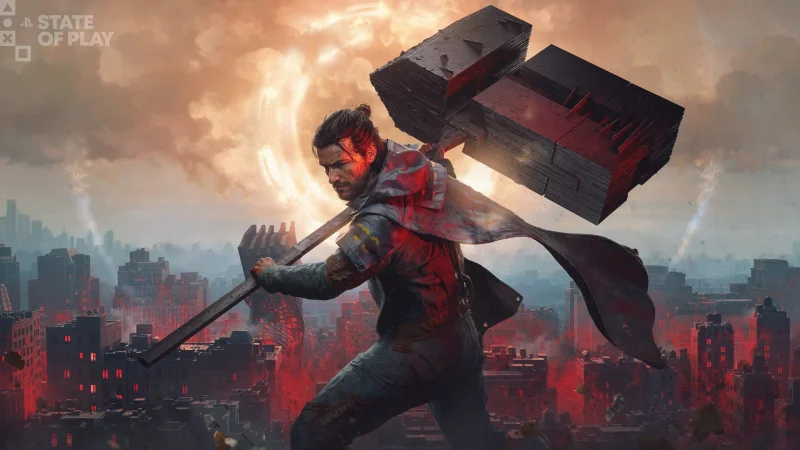
Remedy Entertainment is set to release Control Resonant later this year, bringing back the world of Control with a new lead and a much broader build. Mikael Kasurinen said the sequel is the biggest game Remedy has ever made, even though work on it began while Control was still finishing in 2019.
That is why interest is rising now. Control Resonant is not just another follow-up for the studio; it is a sequel that shifts players into Dylan Faden, Jesse Faden’s brother, and moves the action to New York, where Dylan fights with melee combat while Jesse relied on guns. For readers tracking Remedy’s next move, the game is one of the studio’s clearest tests yet of how far it can push the control resonant idea of a strange, connected universe without losing the identity that made the first game stand out.
Kasurinen said the official production timeline ran about two to three years, but much of the real work happened before that. He described the early stretch as concepting and deciding what the team would do and how it would do it, while Remedy was also building processes, technology and tools to get ready for pre-production and full production. In his view, Control has always been a franchise about a world with its own story, one that is wide and complicated, not just a single character at the center of it.
That approach helps explain the odd contradiction at the heart of the project: Remedy calls Control Resonant its biggest game, yet the studio spent years shaping the vision before the machinery of full production really turned over. Kasurinen said the process starts with him and a small group of leads from different disciplines, then those leads go back to their teams and adjust responsibilities and scope as needed. By the end, he said, he does not need to do much beyond review the work because the people building it have already been part of creating the vision.
The open question now is not what Control Resonant is, but when exactly it will arrive. Remedy has only said later this year, and until a firmer date lands, the sequel remains a high-profile promise: a larger Control built through long planning, shared ownership and a deliberate refusal to rush the part that makes the game different.
