


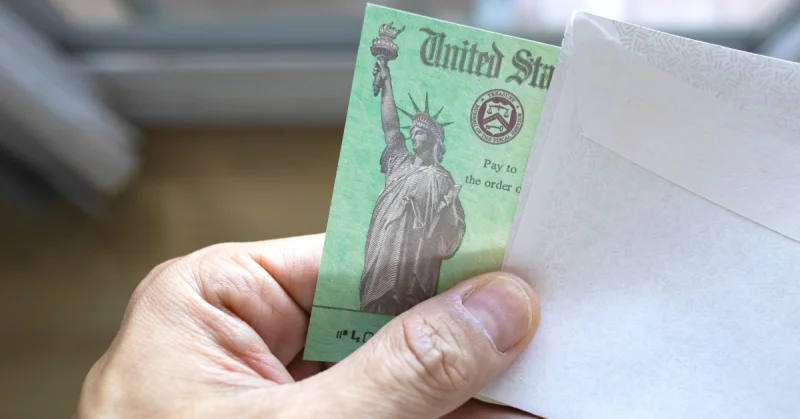
Some households could see their tax refund rise by roughly $1,000 in 2026 after the One Big Beautiful Bill Act changed the federal tax code and made several breaks retroactive to 2025. The larger refunds were not from a separate payment program; they reflected the way the new law changed taxes that had already been withheld from paychecks.
A Piper Sandler analysis cited by the White House estimated the increase for some filers, especially households with one or two dependents. The law, signed on July 4, 2025, made permanent many individual provisions from the 2017 Tax Cuts and Jobs Act that were set to expire after 2025, while also adding new breaks such as no taxes on some overtime and tipped income.
The biggest reason the refunds looked larger in early 2026 was timing. Because the changes applied retroactively to 2025, most workers’ withholding had not yet been updated when they filed. That left many taxpayers with too much tax taken out during the year and set up bigger refunds when returns were processed.

Several parts of the law pushed the numbers higher at once. The doubled standard deduction was made permanent and increased further for 2025, to $15,750 for single filers and $31,500 for married couples filing jointly. The maximum Child Tax Credit also rose from $2,000 to $2,200 per child and was indexed to inflation, a change that could add $400 for a family with two children.
That mix is why the gains did not land evenly. Households with one or two dependents tended to feel the changes most sharply, while taxpayers without children or dependents were less likely to see the same jump. The White House has pointed to the analysis in tax policy discussions, but it did not identify which specific families received the largest refunds.
What emerges is less a one-time windfall than a catch-up effect from a law that moved faster than payroll systems did. For now, the clearest answer for taxpayers is simple: the biggest refund increases in early 2026 were tied to retroactive tax changes that had not yet been fully reflected in withholding, and the households most likely to notice were the ones with dependents.
