


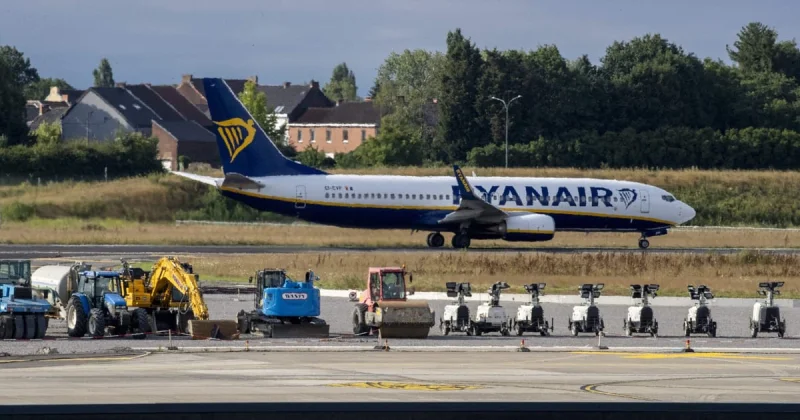
Ryanair said an illegal wildcat strike by Belgian air traffic controllers on 2 June forced it to cancel 100 flights to and from Charleroi and Zaventem airports, disrupting almost 20,000 passengers in a single day. The airline said the action came without warning, leaving travelers stranded at both airports as schedules collapsed at short notice.
The cancellations land at the centre of a brussels airport atc strike that hit flights moving in and out of Belgium on 2 June, with the disruption concentrated on Charleroi and Zaventem. Ryanair said it respects the right to strike, but said airlines were given zero notice, a complaint that turned the stoppage from a labor dispute into an immediate travel problem for thousands of passengers.
Ryanair said the shock was made worse by the scale of the network disruption: one controller stoppage, 100 cancelled flights and almost 20,000 passengers affected. For people trying to get to or from Belgium, the impact was not abstract. It meant missed departures, cut short trips and stranded travelers trying to find alternatives after plans were upended on the same day.
The airline also pointed to a deeper problem behind the cancellations. It said air traffic controllers provide services for which airlines pay millions of euros annually, and argued that if controllers are going to strike, they should give at least 24 hours’ notice so carriers can reorganise schedules and reduce the damage to ordinary travelers. Ryanair added that it has repeatedly urged the EU Commission to reform Europe’s ATC system.
That leaves the bluntest question unanswered: how long the strike lasted and whether any settlement or follow-up was announced. For now, the immediate fact is clear. On 2 June, Belgium’s air traffic network was disrupted without warning, and the cost was measured in hundreds of cancelled seats and thousands of passengers left scrambling.
