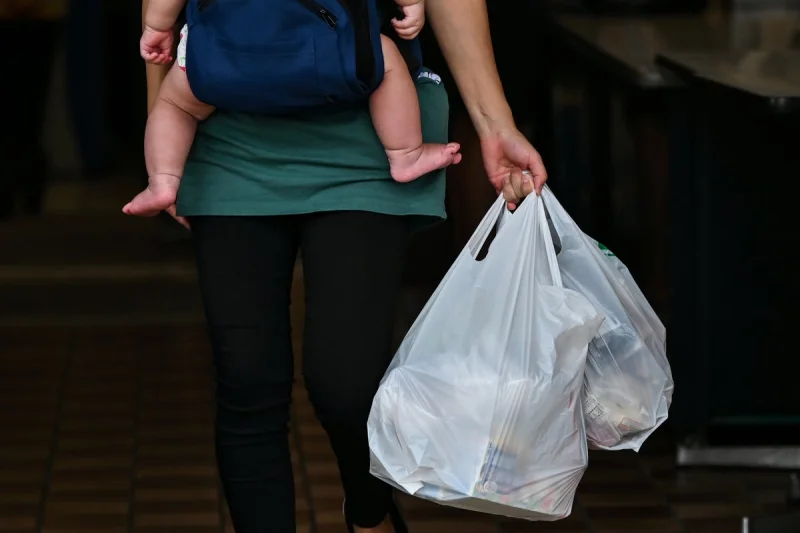
Plastic bags and other soft plastics belong in designated store drop-off bins, not in the household recycling cart. Households that toss grocery bags, bubble wrap and similar films into curbside recycling can cause trouble for the machines that sort recyclables, and in some cases the material is rejected before it ever gets to a recycler.
The reason people keep asking now is simple: these items are everywhere, and the disposal rules are easy to get wrong. Plastic bags can take hundreds of years to break down in landfills, and when they are thrown in the trash they can release harmful microplastics into the environment. More than 3 million tons of plastic bags, sacks and wraps in the United States went to landfills in 2018, a reminder that a small item can add up to a large waste stream.
Stephanie Hicks said Trex has a website locator that helps people find drop-off points by ZIP code. At those bins, grocery bags and soft plastics labeled with the numbers two and four are generally accepted, along with other films that some stores collect for recycling. Trex turns recycled plastic films into outdoor decking, while other recyclers may reprocess them into material for new items such as furniture.
The number inside the familiar three-arrow symbol does not mean an item can safely go into a curbside bin. It identifies the kind of plastic the item is made from, not whether local recycling equipment can handle it. Many plastic films marked two or four are made of high-density polyethylene or low-density polyethylene, and some of the wrapping around items like toilet paper, or the plastic wrap that keeps meat fresh at the grocery store, can be made of five or more layers. That complexity is part of why these materials are handled differently from bottles and rigid containers.
Erha Andini said the problem starts when bags and films reach the sorting line. “Once they get shredded or even before, a lot of times they just clog recycling equipment,” Andini said. Gary Dusek added that it is a problem of volume, and that even the tiniest thing can move the needle. That is also why putting film in a mixed recycling cart in the hope it will end up in the right place has a name: wishcycling.
The practical answer is to check the rules for the store and the area before dropping anything off. The accepted items are usually soft plastics and films that are clean, not covered in food residue and not so degraded that they cannot be handled. With plastic production unlikely to slow anytime soon as negotiations for a global plastic treaty have stalled, the simplest step remains the most important one: keep plastic bags and other flexible films out of curbside recycling and take them to the bins meant for them.