


Murtada Mohieddin counts his remaining insulin doses one by one on a modest bed inside his war-battered home in Khartoum North, because in Sudan’s shattered health system even the medicine that reaches patients can no longer be trusted. More than three years of war have turned diabetes treatment into a gamble, with smuggled drugs filling the gap left by factories, hospitals and supply lines that have gone dark.
Mohieddin, a diabetic in his early 50s, said the insulin he finds can look normal even when it is not. “Sometimes the insulin is spoiled,” he said. “You wouldn’t know if it is ruined or expired. You can check the expiration date, but it could still be damaged from poor storage.” That is why the smuggling problem matters now: patients are not just paying more, they are buying medicine that may have been ruined before it ever reached them.
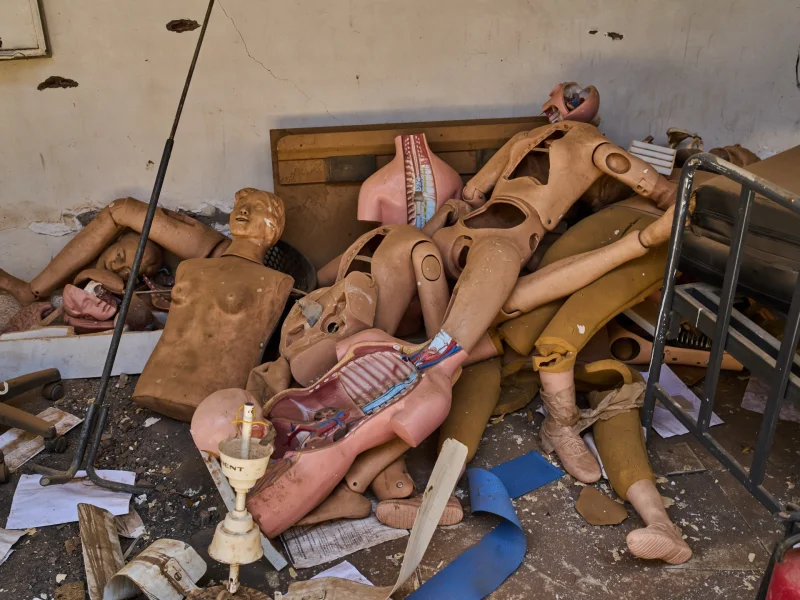
The war erupted more than three years ago as a power struggle between the Sudanese Armed Forces and the Rapid Support Forces, and it has killed more than 50,000 people while displacing 14 million more, nearly a quarter of Sudan’s population. Alongside the bloodshed, the conflict has crippled Sudan’s healthcare infrastructure, shutting hospitals, health centres and pharmaceutical factories and breaking the storage and transport networks that once moved essential medicines around the country.
In that void, smuggling networks have flourished. The market has been flooded with unregulated drugs locally known as Boko medicines, while critical intravenous malaria treatments are being brought in across borders without the temperature controls and quality checks they need. Mutawakil Hamza said most malaria medicines are now arriving through smuggling, and he warned that these are injections for intravenous use, making them highly dangerous to a patient’s health. In Omdurman, patients are facing both exorbitant prices and life-threatening quality problems as they hunt for anything that still works.
The hardest part for patients is that a valid expiration date does not guarantee a safe dose. A packet or vial can still be damaged by poor storage long before it expires, and in a war zone that difference can be fatal. Before the fighting, Yasser Ahmed Youssef said, local factories produced large quantities of life-saving medicines for blood pressure, diabetes, colds and paediatric care. Now that domestic production is largely paralysed, the country’s drug trade is increasingly being shaped by the people moving medicine in the shadows.
By April 14, 2026, the World Health Organization described Sudan as the world’s largest humanitarian crisis, with 21 million people lacking basic healthcare services and 34 million needing aid. For patients like Mohieddin, the next dose is not only a question of cost. It is a question of whether the insulin in his hand was protected on the way in, or quietly spoiled before he ever had a chance to use it.
