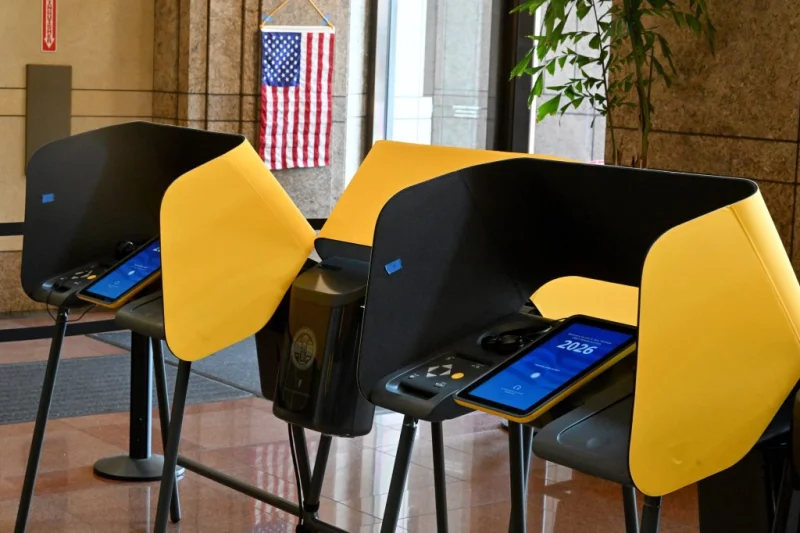
Voters in three Los Angeles Unified School District board districts will choose new representation on Tuesday, putting three LAUSD Board of Education seats on the primary-election ballot at a moment when the district is under heavy strain. The outcome will help shape how the seven-member board responds to a projected $877 million structural deficit, enrollment pressure and leadership turmoil.
The race matters now because LAUSD is the second-largest school district in the nation, with more than 520,000 students spread across a 710-square-mile area that covers most of Los Angeles and parts of 25 other cities or unincorporated areas in Los Angeles County. California school boards oversee operations, finances, educational priorities and policy, so the people elected Tuesday will have a direct role in decisions affecting classrooms and the district’s bottom line.
Districts 2, 4 and 6 are all on the ballot, with each seat carrying its own local stakes. District 2 includes a large portion of downtown and East L.A. and served 55,014 students during the 2025-26 school year, with 76 elementary schools, 11 middle schools and 24 high schools. Incumbent Rocío Rivas, the board vice president, is facing teacher and counselor Raquel Zamora, who has 20 years of experience with LAUSD. Rivas said she favors strategic adjustments rather than reactive cuts that would hit the district’s highest-need schools, pointing to audits of contracts, fewer outside consultants, nonprofit partnerships and bond financing as tools to save money over time. Zamora has said budget decisions should put students and classrooms first, protecting core instruction, reasonable class sizes and supports such as counselors, librarians, nurses and special education services while trimming administrative inefficiencies.
That debate lands in a district that narrowly avoided a teacher’s strike in April and has had Superintendent Alberto Carvalho on paid leave since February after federal agents searched his home. LAUSD’s seven-member board is also dealing with a decline in enrollment and the practical problem of making cuts without weakening schools that families already rely on. In District 4, which primarily represents the Westside, incumbent Nick Melvoin is seeking another term against educator and outreach director Ankur Patel; the district has 57 elementary schools, 11 middle schools and six high schools and enrolled 43,629 students in 2025-26, the second-lowest total among the seven districts. Melvoin said the district needs a broader budget-and-enrollment strategy and a better way of telling families about the programs it already offers so they will stay or return to local schools.
Tuesday’s vote will not solve LAUSD’s budget gap on its own, but it will decide who is sitting at the table when the hard choices come. What happens next is simple: voters will fill the three seats, and the new board, or the returning members, will be the ones expected to balance classroom support against a deficit large enough to force real tradeoffs.