


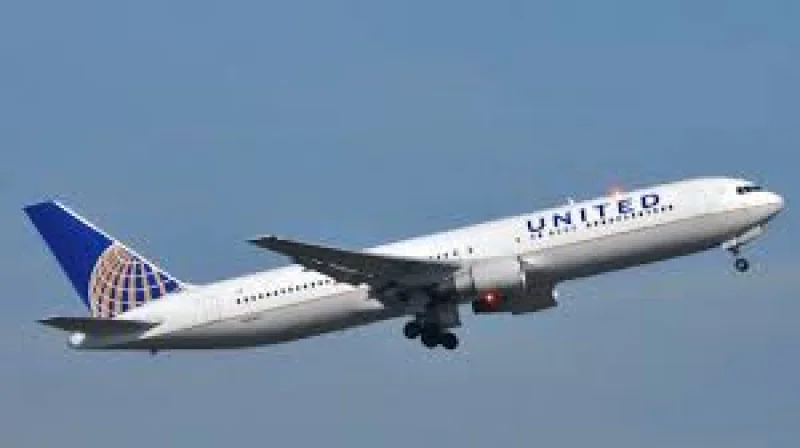
United Flight 236 turned back over the Atlantic on Saturday night and returned to Newark Liberty International Airport about 90 minutes after takeoff, interrupting a transatlantic trip to Palma de Mallorca, Spain. United said the Boeing 767 landed safely in New Jersey after what it called a potential security concern.
The airline said 190 passengers and 12 crew members were aboard, and the flight later continued to Palma de Mallorca with a new crew. For the travelers on board, the turnback meant a long-haul flight became an unscheduled return to the airport where it started.
The reason for the reversal points to a small detail with outsized consequences. Flight attendants told passengers to disable their Bluetooth connections, and passengers said the crew repeated that the request came from United's operations center. They also said the flight could not continue unless the problem was resolved.
AirLive.net, which reviewed air traffic control communications, reported that the aircraft turned around after concerns arose over the name of a Bluetooth-enabled device visible to others on board. The report said the device's discoverable name included the word “bomb,” a trigger that helps explain why the crew chose to stop the trip rather than press on across the Atlantic with the issue unresolved.
United framed the event in formal terms, saying the flight safely returned to Newark to address a potential security concern. But the account from passengers and the traffic-control review shows how quickly a routine departure can become a security response when an onboard device name is read as a threat. The carrier then sent the flight on to Spain with a different crew, closing the loop on a disruption that began in midair and ended with the trip restarting hours later.
