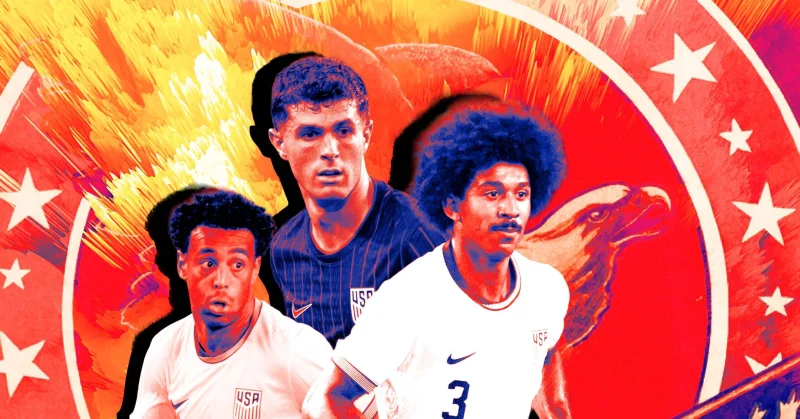
The United States announced its final 26-man roster for the 2026 World Cup on Tuesday, locking in the group Mauricio Pochettino will carry into the tournament. The list includes three goalkeepers, as FIFA requires, and leaves no room now for second guesses about who will be in camp when the pressure starts.
For readers searching Alex Freeman now, the answer is simple: the roster is set, and the conversation has moved from who made it to how Pochettino will use them. The Americans have assembled a squad with more high-level European experience than they have ever taken into a World Cup, from Christian Pulisic at AC Milan to Weston McKennie after the best season of his career at Juventus.
That core is strong on paper. Pulisic has become a star at AC Milan. McKennie delivered the best season of his career at Juventus. Antonee Robinson has developed into one of the Premier League's best attacking fullbacks at Fulham, and Chris Richards helped anchor one of England's better defensive units at Crystal Palace while lifting the FA Cup. It is a roster built to suggest progress, and that is why Tuesday's announcement matters now: the 26 men are finally known, and the next step is no longer selection but execution.
The back line and the fringes show how narrow some of the choices were. A.J. Trusty was the fifth of five center backs on the depth chart, even after becoming a mainstay for Celtic in the second half of the season and helping them win a fifth consecutive Scottish Premiership title with a dramatic final-day comeback against Hearts. Joe Scally, meanwhile, has started at least 20 Bundesliga matches every season since joining Borussia Monchengladbach in 2021, but his club has slid down the German mid-table and he still does not present a clean answer at right back because he is not enough of an attacking or defensive specialist for a clear Pochettino role.
Gio Reyna's inclusion carries a different kind of weight. The 23-year-old once looked like a central piece of the program, but injuries and fitness issues have derailed his career and made every roster decision around him feel more tentative than it should. Matt Brady, who is 22 and has never played for the senior national team, is in an even more precarious spot; he would likely see the field only if red cards or injuries force Pochettino's hand.
That is the friction inside this roster. The United States has not produced a result since the 2022 World Cup that amounts to real progress, even after failing to escape group play at Copa América and reaching the Gold Cup final last summer before losing to Mexico. The names are stronger, and the European résumés are better, but the next answer has to come on the field. The roster is official now; the real test begins when the 2026 World Cup starts and Pochettino has to turn a deep, accomplished squad into something that can carry the country farther than the last cycle did.