


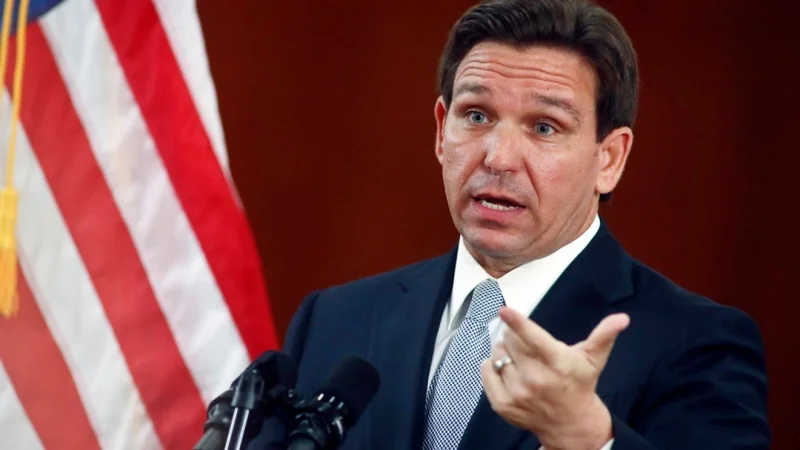
Florida lawmakers are being pulled into a new fight over savings next week, after Gov. Ron DeSantis called a session on his property tax relief plan. If the proposal clears the Legislature, voters would get the final say in November, and the plan would need 60% approval to take effect.
The debate is not just about how much homeowners could keep. The Save Our Homes proposal would exempt the first $250,000 of a home's value from taxation, phase toward full elimination, and add a five-year residency requirement for homestead exemption. It would also limit future property taxes on businesses and direct remaining property-tax revenue to core public needs such as public safety, infrastructure, education and natural resources.
That is why local budgets are already being put under a microscope. In Escambia County, officials estimate a $36 million loss in revenue for the 2027-28 fiscal year. Santa Rosa County expects to lose close to $36 million, and Okaloosa County estimates a $25 million drop. In another sign of how fast the issue has landed with residents, a digital poll created Thursday drew more than 400 votes, with 85% backing the governor's plan and 15% opposing it.
The sharpest warning came from state Rep. Alex Andrade, who said his rough math shows more than $40 million would be cut from Santa Rosa County school district budgets and more than $70 million from Escambia County schools in 2027, when the proposal goes into effect. He said the plan does not keep law enforcement budgets at least where they are today, and that it allows for paying for policing without protecting agency budgets. DeSantis, meanwhile, says taxpayers are paying too much to local governments and argues they are being asked to pay more and more for roughly the same services they got years ago.
For Pensacola Mayor DC Reeves, the appeal is obvious. He said 72% of the homestead properties in the City of Pensacola are assessed at under $250,000, meaning the proposal would give full property tax relief to 72% of the homes. That is the political case for the plan. The harder question is what counties, school districts and police agencies would cut if lawmakers approve it next week and voters are asked to seal it in November.
