


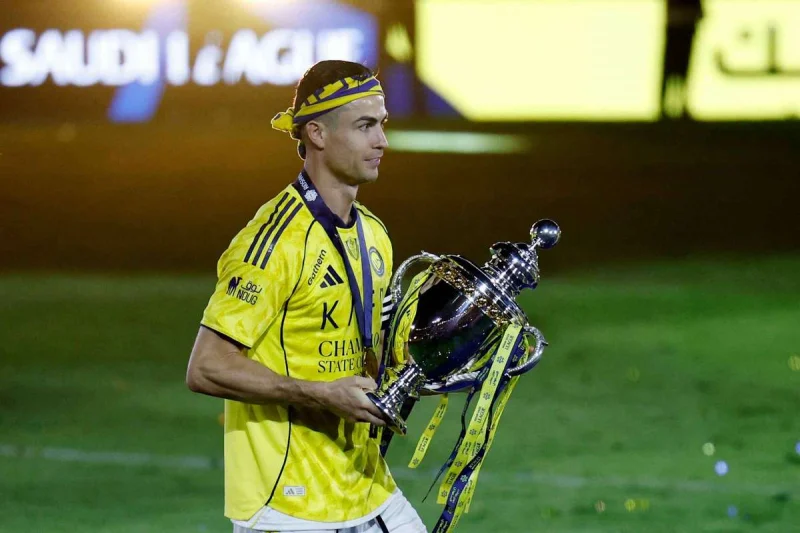
Taylor Twellman has pushed the Cristiano Ronaldo debate straight into the center of Portugal’s World Cup buildup, saying on ’s Get Up that Portugal are at their best if the 41-year-old forward does not play at the 2026 World Cup. It is a blunt judgment about a player preparing for what is almost certainly his final tournament, and it lands at a time when every selection call by Roberto Martinez will be scrutinized.
The timing matters because Ronaldo, if he plays in 2026, would make a record-breaking sixth World Cup appearance, while Portugal enter the tournament as heavy favorites to win a group that includes DR Congo, Uzbekistan and Colombia. Twellman’s view is not simply about nostalgia giving way to youth. It is a direct challenge to the idea that Portugal still need their captain to define them at the biggest event in world football.
Twellman framed the argument around depth. He said Portugal have the best team Ronaldo has ever had around him for a World Cup, pointing to a squad that now looks stronger and more balanced than the one built around him in earlier tournaments. That depth gives Martinez room to think differently, because Portugal are no longer relying on one player to carry the attack through every phase of a match.
The names around Ronaldo are part of the reason the debate has become so sharp. Portugal can turn to Bruno Fernandes, Bernardo Silva, Rafael Leao, Goncalo Ramos and Pedro Neto in advanced roles, while Ruben Dias, Nuno Mendes and Joao Cancelo give Martinez more security behind them. That mix has changed the conversation from whether Ronaldo can still decide games to whether his physical profile still fits a more fluid, high-pressing system.
Martinez, though, has remained supportive of Ronaldo’s inclusion, and that creates the central friction in Portugal’s buildup. The manager is balancing the legacy of a player who has defined an era with the practical question of how to get the best out of a squad that appears deep enough to function without him. It is the kind of decision that can shape not just a lineup, but the whole tone of a campaign.
Portugal’s recent World Cup record adds to the pressure. Their last tournament ended in a quarter-final loss to Morocco, and their best finish during the Ronaldo era was fourth place in 2006. That history is why this debate matters now: Portugal are not entering 2026 as a team searching for identity, but as one expected to contend, which makes every choice around Ronaldo feel even more consequential.
Martinez’s call will tell the world how he wants Portugal to play when the stakes rise. If Ronaldo starts, the manager will be betting that experience still outweighs the cost of reduced mobility. If he does not, Twellman’s argument will look less like provocation and more like the selection logic of a coach willing to trust the modern version of Portugal over the most famous player in its history.
