A new Politico poll published Friday found that 53 percent of Americans say they cannot recall struggling harder to make ends meet, a sharp sign that the cost of living remains a central political burden for President Donald Trump. The share is up from 46 percent in November, and most of those surveyed said the strain is tied to Trump’s handling of the economy.
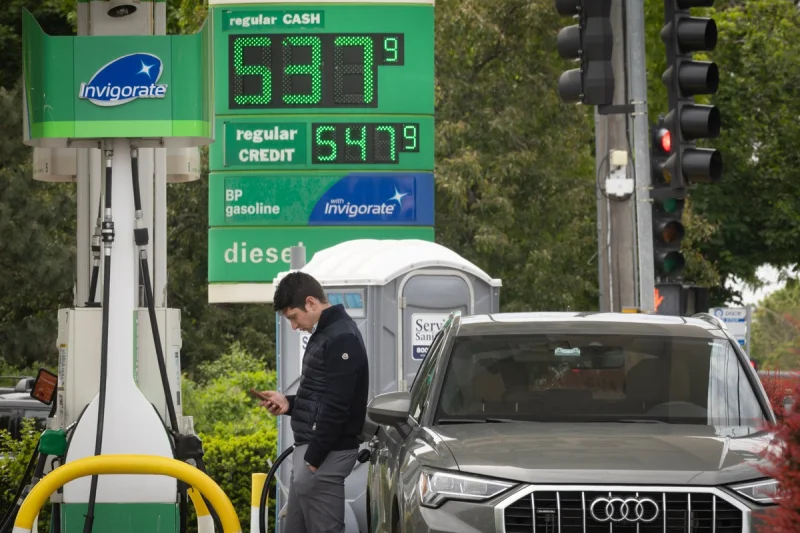
Kevin Madden said voters are now in a budget pinch, and the numbers back him up. The poll found 79 percent said gas prices had risen somewhat or greatly since Trump took office last year, 77 percent said food had become more expensive, and 62 percent said medicine had gone up. For households already stretched thin, those are the prices that matter most because they shape every trip to the pump, every grocery bill and every pharmacy run.

The online survey reached 2,065 adults from May 9 to May 11, giving the findings a fresh read on how Americans are taking in Trump’s economic message. A separate Public First poll found 46 percent said Trump was fully or mostly responsible for the state of the economy six months ago, underscoring how firmly that judgment has taken hold even as the White House argues the public should look past temporary pain.
That argument runs straight into the mood captured in the new numbers. Kush Desai said the administration is focused on tax cuts, deregulation and energy abundance, and argued that once the Iranian threat is neutralized and shipping normalizes, Americans will again see lower gas prices, stronger wages and cooler inflation. But 58 percent in the poll said Trump has not done enough to protect the country from the economic impact of the Iran war, linking foreign policy disruptions with the same household anxieties now defining the economy.
Trump himself has sharpened the divide. On May 12, he said, “I don’t think about Americans’ financial situation” and added, “I think about one thing: We cannot let Iran have a nuclear weapon, that’s all.” He later called that a “perfect statement” and said he would make it again. For now, that leaves him defending a message about future gains while a majority of voters say the present feels harder than it has in memory. If the numbers hold, the question is not whether the cost of living is hurting him politically, but how long he can keep insisting the pain is temporary while people keep paying today’s prices.