


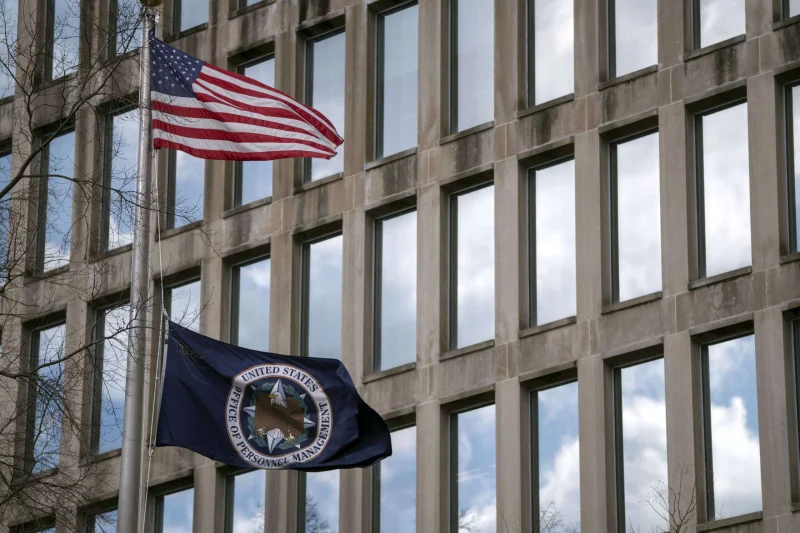
The United States Office of Personnel Management on Tuesday proposed a governmentwide nondisclosure agreement for all federal employees, opening the door to a rule that could follow workers from their first day on the job to their last. If agencies opt in, the agreement would cover current staff and new hires, with signed forms stored in electronic Official Personnel Folders.
The proposal is being filed because OPM wants a single form across the government, and it said the document would apply to federal information tied to internal agency operations, personnel matters, procurement processes and sensitive pre-decisional or deliberative material that is not already public. The agency said a standard NDA would promote consistency, better protect confidential information and make federal employees more aware of their rights and obligations. The draft was published Tuesday and was scheduled to appear in the Federal Register on Wednesday.

Everett Kelley, president of the American Federation of Government Employees, said agencies will be pressured to turn an optional form into a mandatory one. He also warned that workers who refuse to sign could face firing. OPM said the agreement would not add new restrictions, would only document employees’ acknowledgement of existing non-disclosure obligations and would not override whistleblower protections. It said employees would still be able to report fraud, waste and abuse to Congress or an inspector general.
That split goes to the heart of the proposal. OPM says agencies will decide whether to require the NDA, but the union says that choice will not stay soft for long once managers are told to use the form. The agency said the measure is meant to stop government documents from being leaked to the press or otherwise made public, and it cited recent leaks of internal agency documents and draft regulations. The draft says confidential information should be used only for “performing official duties and responsibilities,” and employees who sign would have to “promptly” report suspected unauthorized disclosures.
What happens next is not the language itself but the agency decisions that follow it. If departments and independent agencies adopt the form, it would bind both current employees and future hires, and it could remain in place even after a worker changes jobs or employers unless an authorized official gives written permission for a disclosure. Violations could bring discipline, including termination, as well as civil and criminal penalties. Which agencies decide to use it will determine whether this remains a proposed paperwork standard or becomes a new condition of federal service.
