


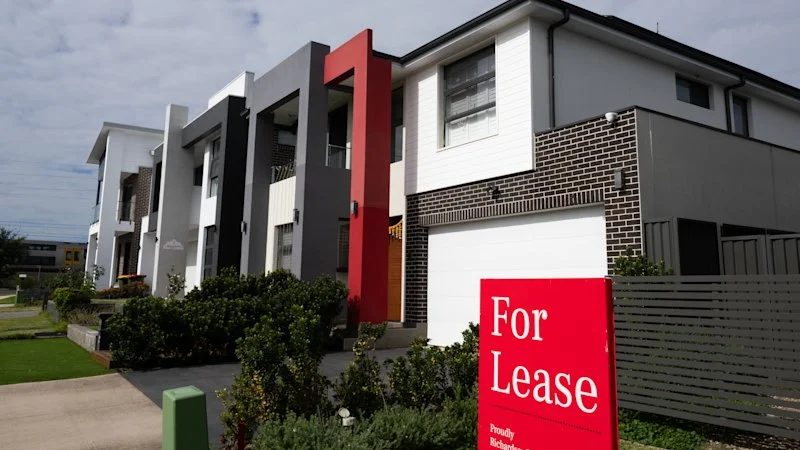
The federal government this week put the broad structure of its negative gearing and capital gains tax overhaul before parliament, setting up a short Senate inquiry that could determine how far the changes reach. More than 1 million landlords who negatively gear their properties are expected to avoid the bluntest effects for now because properties owned before the budget night announcement will be exempt from the negative gearing changes.
That timing is why the australia real estate buyer market is searching the issue now: the rules are moving, but the first wave of impact may be far smaller than the political debate suggests. The capital gains tax reforms will apply only to increases in asset values after July 1 next year, leaving about a million people likely to retain at least part of the current 50 per cent discount under the transition rules.

The numbers behind the overhaul are large. Australian Tax Office data shows 1.1 million people owned 1.6 million rental properties and were negatively geared in 2022-23, when the official interest rate ended the financial year at 0.85 per cent before climbing to 4.35 per cent in November 2023. In the same year, almost 940,000 Australians declared $36 billion in capital gains and paid $12.2 billion in tax, while 3182 high-income individuals enjoyed $16 billion in capital gains and another 194,000 people had $1 billion in gains but paid no CGT at all.
Julie Abdalla, head of tax and legal at the Tax Institute, said the government’s approach to its own laws was an alarming shift in how tax measures are developed. She said the proposed changes to the CGT discount and negative gearing had far-reaching implications for Australian taxpayers and the economy, and argued that introducing them without consultation was a disservice to the public and the businesses that support it.
That is the friction at the heart of the package. The budget is designed to change property tax treatment, yet grandfathering means many existing landlords will feel little immediately, even as the rules are rewritten around them. JP Morgan economists say the changes could cut property prices by 3 per cent, on top of declines already underway in Sydney and Melbourne, but the final shape of the reform will depend on the Senate inquiry and the talks still under way with small businesses and the start-up sector.
