


Norovirus levels have climbed to high levels across much of the country, and wastewater data now show the sharpest recent rise in the Northeast. The signal is strong enough that public health trackers are flagging the virus as it moves through late spring, when outbreaks can still flare.
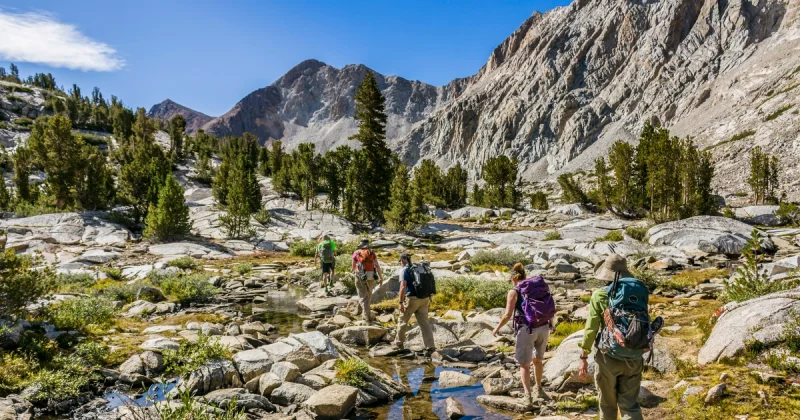
That is why the search for vomiting virus 2026 is spiking now: people want to know whether this year is different, and where it is hitting hardest. In recent weeks, hikers in Southern California and outdoor enthusiasts along the Pacific Crest Trail have been sickened, a reminder that the virus can move fast in places where people share bathrooms, water stops and close quarters.
Amanda Bidwell said national norovirus remains in the HIGH category because concentrations have stayed elevated over the last 21 days. Wastewater surveillance is useful here because many people recover at home and never show up in clinical reporting, which can make the virus look quieter than it is. The CDC’s NoroSTAT program recorded 1,194 outbreaks from Aug. 1 to May 7, well below the 2,534 outbreaks reported over the same span a year earlier, but those counts track only confirmed cases from state agencies.
The wastewater numbers have also pointed to an outbreak in the San Francisco Bay Area. That matters because the picture is not uniform: the CDC says national levels are not unusually high compared with prior seasons even as wastewater shows widespread high concentrations, a contrast that reflects how easily norovirus can spread without always being counted. Dr. Linda Yancey said there is nothing unusual about the California outbreak and that the hikers there simply got unlucky.
Several strains are circulating at once, including GII.4 and GII.17, and GII.17 overtook GII.4 as the predominant strain in the U.S. during the 2024-25 season, accounting for about 75% of outbreaks. The newer variant is not more contagious on its own, but it can move through communities where fewer people have partial immunity. Aaron Glatt said norovirus, though usually a winter illness, can spike in late spring and spreads easily between people.
What happens next depends on whether the Northeast rise keeps building and whether more outbreaks are confirmed outside wastewater data alone. For now, the clearest answer is that the virus is already spreading broadly, and the gap between lab-confirmed outbreaks and what is happening in the sewage suggests the true number of sick people is likely higher than official counts show.
