


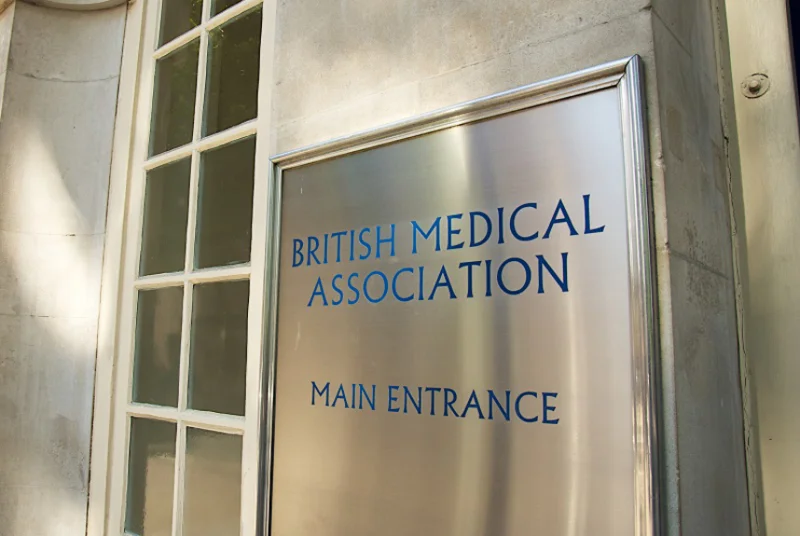
General practitioners in England are to be balloted on whether the BMA should explore alternative ways of providing general practice, including private, means-tested and subscription-based services. The move is the latest sign of a deepening break between doctors and the NHS contract model that has governed family medicine for decades.
The ballot will ask whether the BMA GPs committee England should look at alternative service models for general practice, in a step that would mirror the approach taken by NHS dentists. Katie Bramall, chair of the BMA’s GPs committee in England, called it an “action of last resort” and said the profession’s confidence in its future inside the NHS was at “an all-time low.”
That warning lands after months of confrontation. In April, the Government imposed new terms in the national general medical services and personal medical services contracts for 2026/27, despite almost 17,000 GPs rejecting them in a BMA-led referendum in February this year. Those contracts require GPs to provide unlimited same-day access for patients with urgent clinical needs and end the capping of online consultation requests that must be answered even when practices are already at full capacity.
A motion passed at this month’s local medical committee conference went further, saying it is no longer financially viable for general practice to operate within the NHS and that the current imposed GP contracts are failing patients and practices alike. Bramall said successive governments had failed to protect GPs and address under-investment and unsustainable workloads, and said warnings about rising demand, complex patient need, workforce attrition and vulnerable contractual arrangements had been ignored for years.
The ballot does not immediately change how patients are treated, but it is a sharp test of where England’s family doctors think the profession is headed. The BMA’s own framing shows how far the dispute has moved: not just over pay or workload, but over whether NHS general practice can still survive in its current form. The question now is whether enough GPs are prepared to back a formal exploration of models that would allow more private, means-tested and subscription-based care.
That is the tension at the heart of the debate. Supporters of the current system say the NHS should remain universal and free at the point of use, while doctors say they are being asked to absorb rising demand without the money, staffing or contract flexibility to do it safely. Bramall said the latest contract imposition and government demands for unlimited access were “the final straw for many,” and argued the need for the ballot could still be prevented if ministers urgently engaged with GPs’ concerns.
For now, the vote is the clearest sign yet that England’s GPs are moving from protest to planning for a different future. More information on the ballot will be available in due course, but the direction of travel is already clear: unless the Government changes course, the profession is preparing to ask whether its next chapter may have to be written outside the NHS model it has long defended.
