


An Australian woman linked to Islamic State has been charged with terrorism offences after returning to Melbourne from Syria with her family in September 2025 and living in the community for months. Police allege the 34-year-old joined the extremist group in Syria years earlier and will face court on Thursday.
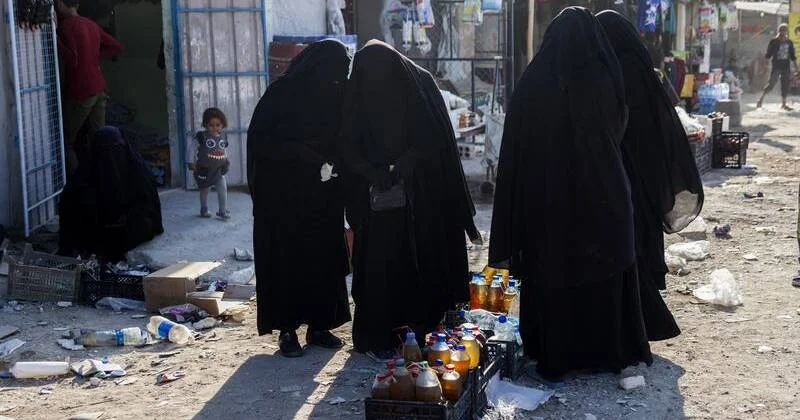
Investigators allege the woman travelled to Syria between 2013 and 2014, then was detained by Kurdish forces in 2019 and held with her family at the al-Hawl detention camp in north-east Syria. She returned to Australia via Lebanon with another woman, and police say she was not part of the recently returned cohort of so-called ISIS brides from the Al Roj camp.
The charges bring fresh attention to Operation Kurrajong, the joint AFP, ASIO and state and territory police probe into people alleged to have travelled to Syria during the Islamic State caliphate. Both offences carry a maximum penalty of 10 years' imprisonment, underscoring how seriously authorities are treating cases built around conduct that began in a war zone more than a decade ago.
That work is being complicated by the evidence. The AFP has said cases of this kind are highly complex because gathering admissible material in conflict zones is difficult, and prosecutors still have to meet legal standards before a case can be tested in court. That is one reason the woman’s arrest comes after months back in Australia rather than immediately on arrival.
The timing also follows another round of returns from Syria. On Tuesday, two groups of women and their children arrived in Sydney and Melbourne after years of detention in Al Roj, a camp holding families of killed or imprisoned Islamic State fighters. In mid-May, three women from a previously returned cohort were arrested and charged, and one other Australian citizen remains in Syria under an exclusion order set to expire in 2028.
Home Affairs Minister Michelle Rowland has said there are consequences for people’s actions, noting that a number of Australian citizens have already been charged with very serious offences. For investigators, the latest case shows the federal effort is still working through the legal fallout of the Islamic State era, even as some Australians continue to make their way home from detention camps in north-east Syria.
