


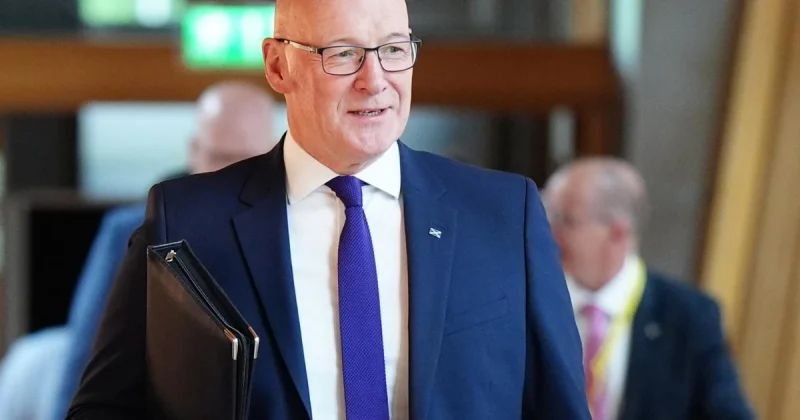
Applications for a new first-time buyers fund are set to open by the end of June, with successful applicants offered a £10,000 contribution toward a deposit on their first home.
The First Homes Fund is being pitched as a way to help people make their first step onto the property ladder, with homes bought through the scheme capped at £300,000 in value. The Scottish Government says the first phase is expected to support 2,000 households over the first 100 days of the new administration, with the wider fund aiming to help 50,000 households over the course of the Parliament.
First Minister John Swinney said he had been made aware of housing pressures throughout the election campaign and wanted his government to help people facing the cost of living. He said he wanted Scotland to be on the side of first-time buyers trying to get on to the ladder and to give them the chance to move forward with their lives.

Speaking in Holyrood on Wednesday, Shirley-Anne Somerville said the policy was a direct response to the experience of people across Scotland and that ministers had listened and were acting quickly. Earlier on Wednesday, Swinney spoke to the Press Association while visiting a housing development in East Lothian with Somerville.
Somerville said the biggest obstacle for many buyers was not the mortgage itself but saving enough for the deposit and the upfront costs that stop them entering the market. She said too many people could not rely on financial help from family to fill that gap and should not be expected to.
She described the result as a rent trap, where households remain stuck paying high rents, unable to save and unable to move on. The fund, she said, would help the young couple renting and saving, the key worker priced out of the community they serve and the family looking for stability and a place of their own.
The scheme is being framed by ministers as a response to housing access problems raised during the campaign, and it is designed to reach buyers in cities, towns, islands and rural areas alike. The question now is whether a £10,000 grant can make a real difference quickly enough for the buyers who have been shut out of the market already this year.
