



Snowflake heads into Wednesday afternoon’s earnings report with the market leaning on a familiar pattern: the cloud data platform provider has a habit of beating expectations, and this time the bar is high again.
Last quarter, Snowflake posted revenue of $1.28 billion, up 30.1% from a year earlier, and beat analysts’ estimates on revenue, billings and EBITDA. The company also added 45 enterprise customers paying more than $1 million annually, bringing that total to 733. That kind of growth has kept Snow stock in view even after a volatile stretch for the broader market.
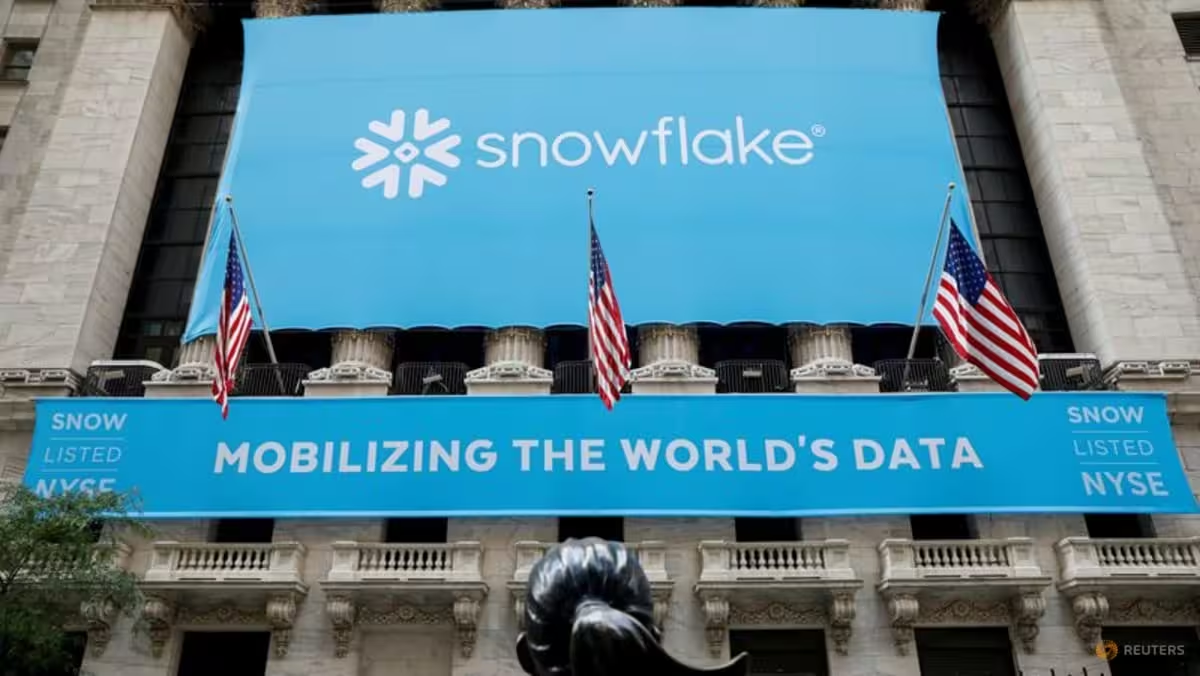
The setup matters because Wall Street is not asking whether Snowflake is growing, but whether it can keep growing at a pace that justifies the premium investors have been willing to pay. The market expects revenue to rise 27.1% year on year this quarter, slightly faster than the 25.7% pace in the same period last year. Over the past 30 days, the majority of analysts covering Snowflake have held their estimates steady, a sign that recent numbers have not forced a major rethink.
Snowflake is not reporting in a vacuum. Peers in the data and analytics software segment have already posted their first-quarter results, giving investors a fresh read on how the group is trading. DigitalOcean reported revenue growth of 22.4% and beat expectations by 3.3%, while Commvault posted revenue growth of 13.3% and topped estimates by 1.6%. Both stocks moved sharply after those results, with DigitalOcean up 48% and Commvault up 14.4%.
That peer performance helps explain why investors have been willing to keep Snowflake elevated. Shares in the data and analytics software segment were up 10% on average over the last month, and Snowflake rose 19.3% in the same period. The stock’s average analyst price target is $229.14, well above its current share price of $172.02, leaving room for another strong print to keep the story intact. The question after Wednesday is whether Snowflake simply extends a pattern Wall Street has come to expect, or whether the company finally has to prove that pace can last.
