


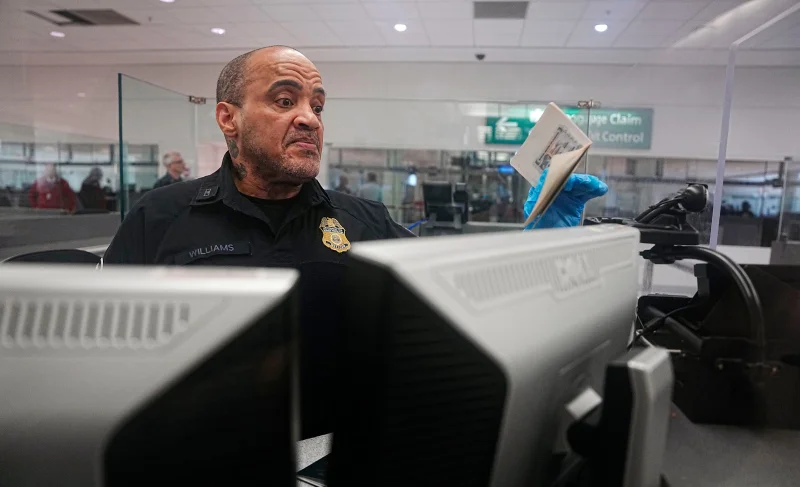
The State Department will expand its passport crackdown on June 1, moving beyond the first wave of cancellations and revoking travel documents from Americans who owe $75,000 or more in child support. That means a valid U.S. passport can now be taken from people already holding one, not just denied at renewal.
The department said Americans who reach that debt level will be blocked from traveling internationally. In May, the first round of cancellations covered people who owed $100,000 or more, and about 2,700 Americans were included, according to data from the Department of Health and Human Services. The move comes after a February 10 warning that stricter enforcement was coming for Americans with significant child support debt.
The rule is rooted in a 30-year-old law. The Personal Responsibility and Work Opportunity Reconciliation Act of 1996 set the legal threshold for passport revocation at $5,000, and the Deficit Reduction Act of 2005 later lowered it to $2,500. For years, the measure was used mainly when people in child support arrears tried to renew passports. The new enforcement goes further by targeting existing passports and will eventually reach the lower statutory threshold.
That broader reach matters because the department has said the Passport Denial Program will keep moving down the scale until it reaches $2,500. In a post on X, the department said it was, in coordination with the Health and Human Services Department, holding parents who owe significant child support accountable by revoking their passports and urging anyone who owes more than $2,500 to arrange payment with the relevant state child support enforcement agency. It also said that once a passport is revoked, it may no longer be used for travel.
The timing is not small. About 3.5 million noncustodial American parents owe at least $2,500, and the summer travel season is approaching. A separate survey by Numerator found that roughly 19% to 22% of Americans intended to travel internationally in summer 2026, a ten-point increase from 2025. For families already behind on child support, the threat now extends beyond debt collection and into whether they can leave the country at all.
The crackdown also sharpens a tension built into the program itself: a law once aimed at pressuring people to pay what they owe is now being used to cancel passports already in hand. For parents facing arrears, the message from Washington is direct, and the deadline is immediate. Starting June 1, the country’s passport rules will no longer just block a renewal. They can stop the trip before it starts.
Related context on local child support services has also been a focus in other family-support coverage, including a report on Matthew Schaefer, Islanders and Northwell launch child support center.
