


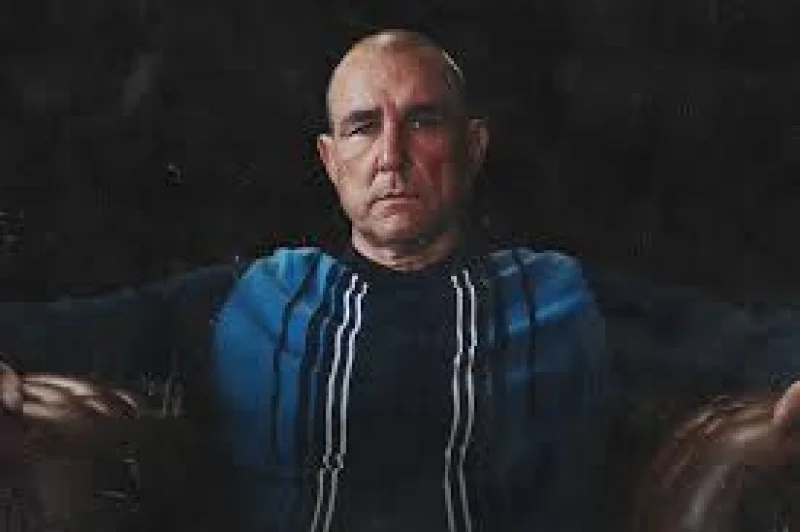
Dear England brings James Graham’s hit play to television with Joseph Fiennes as Gareth Southgate and Jodie Whittaker as psychologist Pippa Grange, but the result is less a revelation than a careful reworking of a story already tested on stage. The four-part series starts where the myth of Southgate begins: with his missed penalty against Germany in the 1996 European Championship semi-final, a moment that shadows everything that follows.
That missed kick matters because Southgate later returned, 20 years after the 1996 European Championship, as England manager and helped steer the team to the 2018 World Cup semi-final. Along the way, England’s repeated penalty failures became the central wound in the story, with the team also exiting the next two tournaments after missed spot-kicks. In the review, the series is described as having “a warmly emotional tale of victory against the odds,” and as “the television transfer of the hit play [that] has a great cast and impressive footballing scenes.”
Fiennes reprises the acclaimed performance he gave in the original National Theatre run, but the review says his Southgate is pushed too far into caricature. The critic says the manager feels like “a total caricature on TV” and compares him to “a cross between Harold Steptoe and Captain Darling from Blackadder Goes Forth.” That is a sharp rebuke for a production that clearly wants to honour Southgate’s calm, analytical public image while also turning him into a dramatic lead.
Graham’s story is not only about penalties. It is also about the mental side of England’s rebuild, with Grange brought in to help turn a squad of disaffected mercenaries into a band of brothers. The series also leans on archive footage to recreate the football scenes, and when actors have to appear in matches they are filmed spotlit against a plain black backdrop. Will Antenbring plays Harry Kane, Lewis Shepherd plays Dele Alli and Adam Hugill plays Harry Maguire, giving the production a cast that the review says is one of its strongest assets.
The larger context is familiar to anyone who followed Southgate’s England: the story of a team trying to move past penalty trauma while also confronting the fight over inclusivity and diversity inside and around the squad. The review says support for those values was met with hatred, which gives the series a harder edge than a standard sports drama. That friction is what keeps Dear England from becoming simple nostalgia. It is not just about a manager who changed a team’s mood; it is about how much resistance that change invited, and how closely the country watched every step.
What the series does best is turn a footballing memory into a national argument about mentality, identity and pressure. What it does less well, at least in this review, is resist the temptation to overstate Southgate himself. Still, the central question is answered by the facts on the pitch: England did progress, did reach a World Cup semi-final in 2018, and did begin to look like something more coherent than the collection of disappointments that came before.
