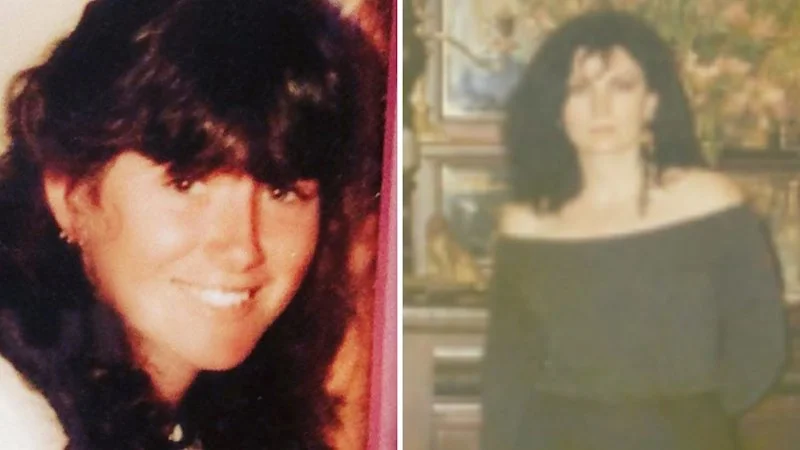
Police have reopened the 26-year-old murders of Joanne Teterin and Susan Kay after new DNA testing on evidence from the crime scene produced fresh results, and investigators are now offering a $1 million reward for information that could identify the killer.
Detective Superintendent Joe Doueihi said on Monday that the dna breakthrough teterin kay case was still solvable. “We are almost there. We just need that little bit of information that puts this whole jigsaw puzzle together. There is a million dollars on the table for anyone that comes forward and helps us with that information,” he said.
Teterin and Kay were killed in Carrington, a working-class suburb of Newcastle, on May 11, 2000. Police believe the two women were bludgeoned to death, and their bodies were left undiscovered in the home for six days. Teterin, who was 37 years old, received a call at 7.55am that morning from a public phone about 200 metres from her cottage. Detectives believe the brief call came from someone she knew and who was involved in street-level drug-dealing at the time.
The case has sat open for decades. More than 150 exhibits from the scene were retested using enhanced DNA technology last year, and the new results prompted detectives to reopen the investigation under the second iteration of Strike Force Raphoe. Police had once identified a key suspect, but the case hit a wall and the Director of Public Prosecutions declined to lay charges. A $100,000 reward was offered in 2003 when the deaths were referred to NSW Police’s unsolved homicide unit, but investigators now say the newer testing has given the inquiry new direction.
That history helps explain why police are pushing so hard now. Joanne Teterin was described as someone who mixed with some of Newcastle’s shadier characters and kept a strict system for drug customers to call ahead before visiting, and investigators believe the killings may have followed an altercation with the person who phoned her that morning and intended to buy drugs. The investigation remains active, with police continuing to interview potential witnesses and follow leads in and around Newcastle.
For Kay’s family, the new appeal lands against the long weight of an unsolved loss. Samantha Kay said she was nine years old when she was told her mother would not be coming home. “In an instant, my childhood was shattered. Every milestone, every birthday, every hard moment in life has been lived with the ache of her absence,” she said. “While we have spent decades grieving, searching for answers and trying to rebuild what was broken, the person responsible has remained free. Somewhere, someone knows what happened to Mum.”
After 26 years, police say the gap is no longer in the science but in the missing piece of information that links the evidence to a name. The reward and the retesting have made this one of the few old homicide cases in which detectives are telling the public, plainly, that they think the answer is still within reach.