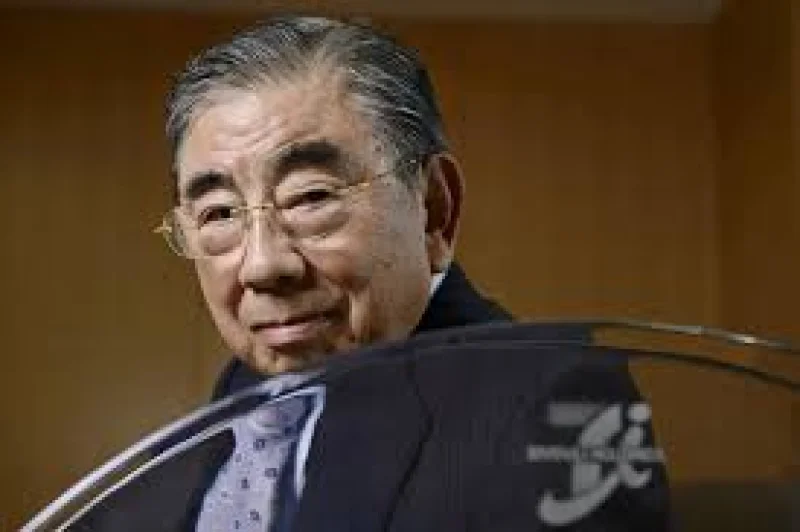
Toshifumi Suzuki, the founder of the Japanese unit that operates 7-Eleven convenience stores, died May 18 of heart failure at his Tokyo home, Seven & i Holdings said. He was 93.
Suzuki was credited with creating the convenience-chain retail empire that turned 7-Eleven into the biggest convenience-store chain in Japan and one of the most recognizable brands in global retail. The business started out in Japan under a franchise agreement with the U.S. 7-Eleven in 1973, and the first store opened there in 1974.
What he built far outgrew its origins. The company says 7-Eleven stores now number more than 80,000 worldwide, a scale that helped make the Japanese operation central to Seven & i Holdings, which owns the domestic business. Suzuki later served as an honorary adviser at the company, remaining attached to the chain he helped establish.
The rise of the Japanese arm also changed the balance of power inside the brand. After The Southland Corp. ran into financial difficulties in the 1990s, the Japanese company bought a majority stake. In 2005, it made the American counterpart its 100% owned group company, underscoring how a franchise that began in Japan had become the controlling force in the wider 7-Eleven network.
That history also helps explain why Seven & i has been a takeover target. Alimentation Couche-Tard sought to take over Seven & i Holdings several years ago, but dropped the effort in 2024, saying negotiations had shown a lack of constructive engagement. The failed bid highlighted the value of the company Suzuki helped shape and the strategic weight still carried by the 7 Eleven name.
His death closes a chapter in the story of a business that became a daily fixture for millions of customers in Japan and beyond. The chain he founded remains the company’s most important asset, and the question left behind is not whether Suzuki mattered, but how much of the global convenience-store model still traces back to the blueprint he left behind.