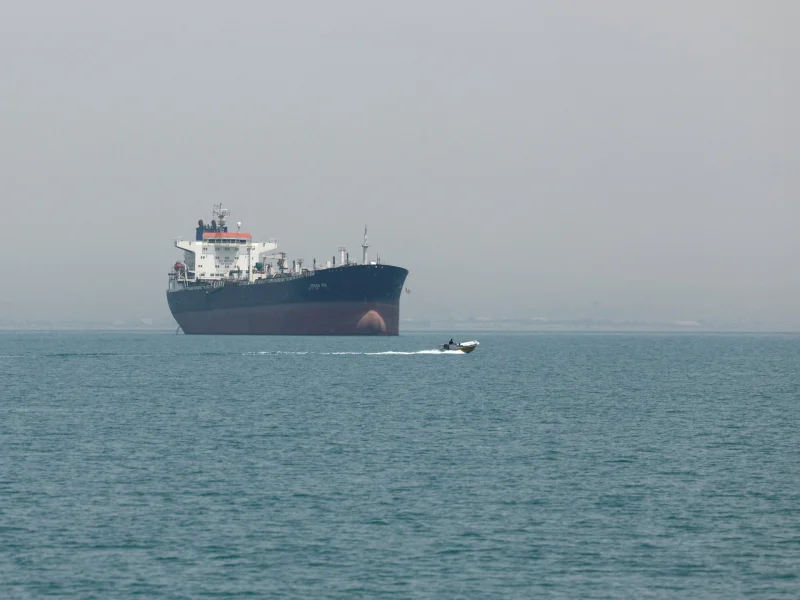
Oil prices slid to two-week lows on Monday as traders reacted to fresh optimism around a possible U.S.-Iran peace deal, with Brent and U.S. crude both sinking sharply in Asian trading and later extending those losses. Brent crude futures fell $4.71, or 4.55%, to $98.83 a barrel by 2234 GMT, while U.S. West Texas Intermediate dropped $4.57, or 4.73%, to $92.03 a barrel.
Both contracts touched their lowest levels since 7 May earlier in the session, underscoring how quickly the market turned on hopes that the conflict could ease and supply risks could improve. Japan’s Nikkei share index also climbed more than 3% on the same optimism, with the Nikkei 225 reportedly up 3.2% around 0145 GMT, as investors moved on expectations that a deal could help reopen the strait of Hormuz.
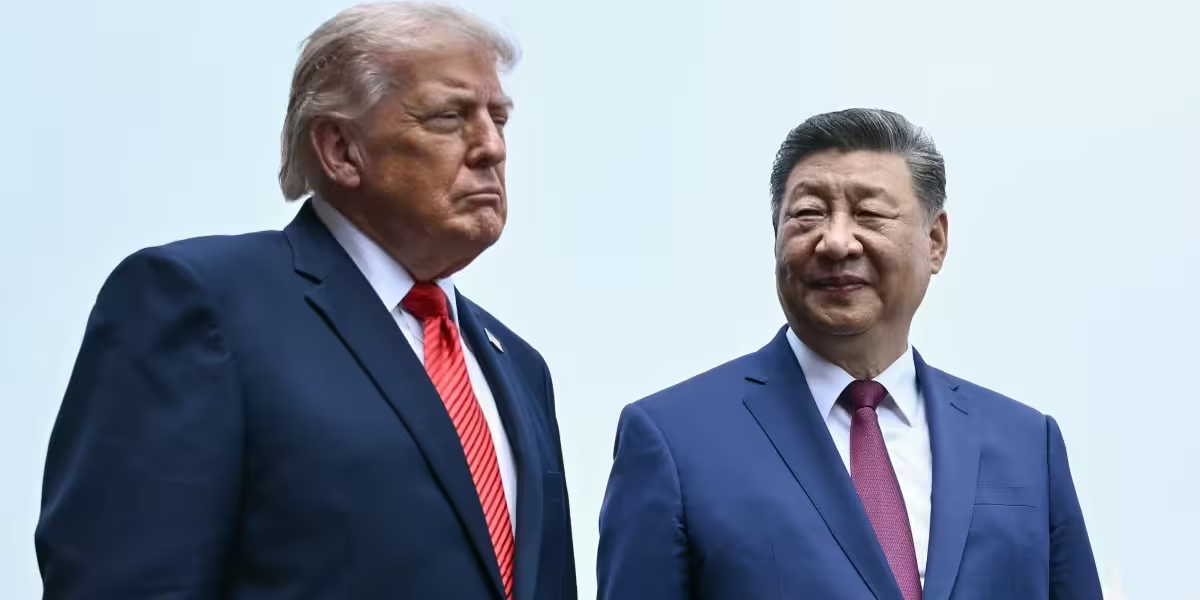
Donald Trump fueled the move when he said that if he made a deal with Iran, it would be a good and proper one, and that he was not to rush into a deal. He described his approach as the exact opposite of haste, then said on Saturday U.S. time that a peace deal with Iran was largely negotiated and that the final aspects and details of a memorandum of understanding were still being discussed. Trump said the memorandum would be announced shortly and added that reopening the strait of Hormuz was part of the deal.
The market reaction reflects how closely oil traders are tied to the waterway, which continues to restrict oil supply from the Middle East when it is blocked or constrained. The U.S. and Iran were still at odds over key issues, including blockades on the strait, and Iranian state media claimed the U.S. government was obstructing some clauses in the agreement. The gap between what Trump said and what Tehran signaled left the biggest question unchanged: whether a political breakthrough can actually translate into barrels moving more freely through a chokepoint that still matters to every refinery and trader watching the region.
The stakes are higher because the current talks come after the 2015 deal, which limited Iran’s nuclear enrichment in return for sanctions relief, and after Trump pulled out of that agreement in 2018. His latest remarks also drew criticism from fellow Republicans, a reminder that even a deal framed as “good and proper” faces resistance before it is ever signed. For now, the crude oil price drop tells the story the market believes most: traders are betting that diplomacy could loosen supply pressure before the details of any memorandum are settled.